Connect with an Expert

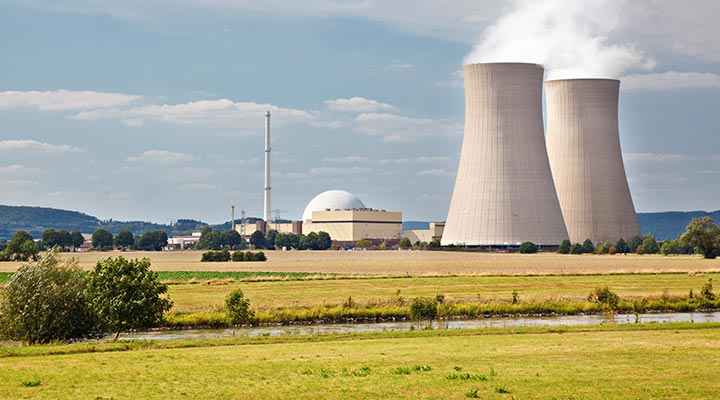
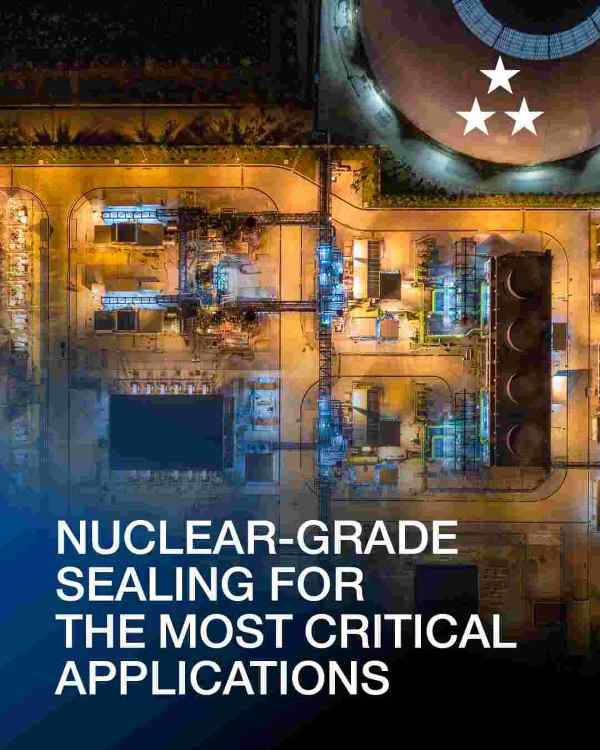
Gas control plays a critical role in nuclear environments, where safety, reliability and accuracy are essential at every stage of a project. Each nuclear facility presents unique technical and regulatory challenges that require advanced technologies capable of managing, regulating and securing gas flows within civil nuclear infrastructure, defense-related facilities, and advanced research laboratories, often under extreme operating conditions.
Supporting both conventional nuclear power and next-generation energy projects, these applications demand a solution that combine proven performance with exceptional leak tightness, operational efficiency, and long-term durability. From fuel cycle operations and tritium handling to fusion research and isotope production, every component must ensure safe gas containment while maintaining consistent performance throughout its service life.
At Rotarex, we design and qualify custom valves engineered to meet the most demanding nuclear specifications. Our proven engineering expertise and manufacturing capabilities enable us to offer tailor-made solutions, from single valve prototypes to fully qualified production series. By combining high-integrity design, premium materials and rigorous qualification processes, Rotarex delivers nuclear-grade performance tailored to your precise requirements, ensuring long-term reliability, regulatory compliance, and confidence in safety-critical applications.
Nuclear gas management requires exceptional levels of safety, reliability and precision. From fuel cycle operations to fusion research and radioisotope production, gas handling systems must operate under some of the most demanding conditions while ensuring absolute containment of hazardous media.
Processes often involve radioactive, toxic, corrosive, or cryogenic gases such as uranium hexafluoride (UF6), uranium tetrafluoride (UF4), deuterium, and tritium. These gases may be handled at high pressures, extreme temperatures, or under vacuum conditions, requiring components capable of maintaining long-term performance without compromising safety.
Even the smallest external leak or internal cross-contamination can have significant operational, environmental, and regulatory consequences. Nuclear gas systems therefore require ultra leak-tight valves and precise flow control solutions that ensure reliable isolation, accurate process control and safe operation throughout the equipment's service life.
To meet the stringent requirements of the nuclear industry, every component must undergo rigorous qualification procedures, including full material traceability, helium leak testing and comprehensive quality controls.
Bellows valves are the preferred isolation technology for nuclear gas systems because they provide the highest level of leak tightness and long-term reliability. Unlike conventional packed valves, a welded metal bellows creates a hermetic seal between the process fluid and the external environment, virtually eliminating the risk of stem leakage. This makes them ideal for handling hazardous gases such as tritium, uranium hexafluoride (UF₆), hydrogen, helium and other critical process medima.
To guarantee this level of integrity, 100% of our valves are individually helium leak tested before shipment — not just a sample batch — ensuring every single unit delivered meets the same uncompromising standard of containment.
Every valve is manufactured from carefully selected nuclear-grade materials, including Stainless Steel, Inconel®, Monel®, and Hastelloy®, chosen for their mechanical strength, corrosion resistance, and compatibility with aggressive, radioactive, cryogenic, or high-purity gases. Material selection is tailored to the specific process conditions to ensure long-term performance and chemical compatibility.
Beyond leak tightness, nuclear bellows valves must deliver exceptional durability under demanding operating conditions. They are designed to withstand thousands of operating cycles, significant pressure variations, and extreme temperatures while maintaining consistent performance over decades of service.
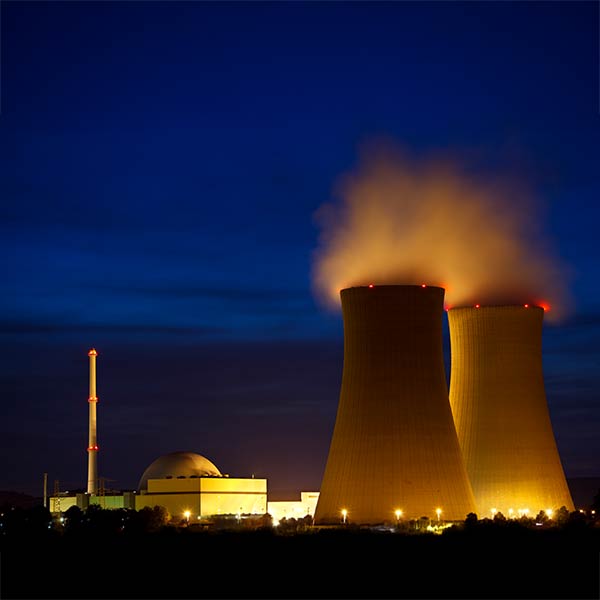
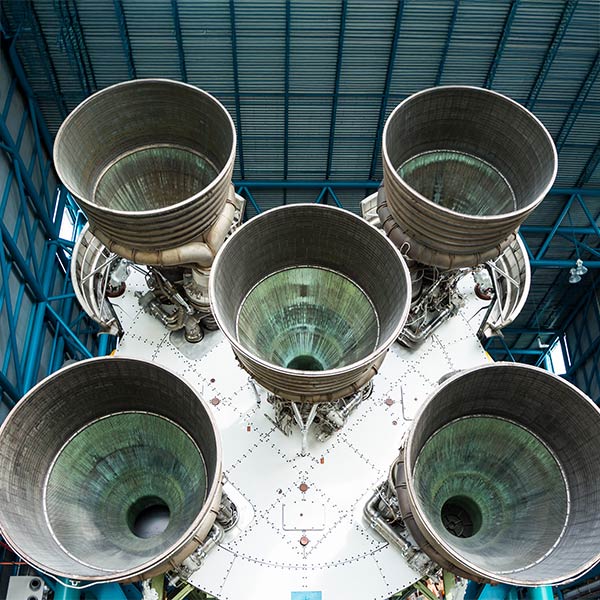

Handling radioactive, toxic, corrosive, or cryogenic gases under extreme pressure and temperature conditions requires uncompromising leak tightness, long-term reliability, and carefully engineered materials. Every gas presents unique physical and chemical challenges, making compatibility a critical factor in the design of nuclear gas handling equipment.
Rotarex has decades of expertise designing high-integrity bellows valves for demanding nuclear applications. Engineered to withstand extreme operating conditions, our solutions operate across a temperature range from -270°C to +250°C (-454°F to +482°F) and pressures up to 240 bar (3,480 psi), with selected models rated for 400 bar (5,800 psi). Ultra-low helium leak rates down to 1 × 10⁻¹⁰ Pa·m3/s ensure maximum containment throughout the valve's service life.
Rotarex develops customized gas management solutions tailored to the specific requirements of each project. From valve design and material selection to connection interfaces and operating conditions, every solution is engineered to meet the application's technical, safety, and performance requirements.
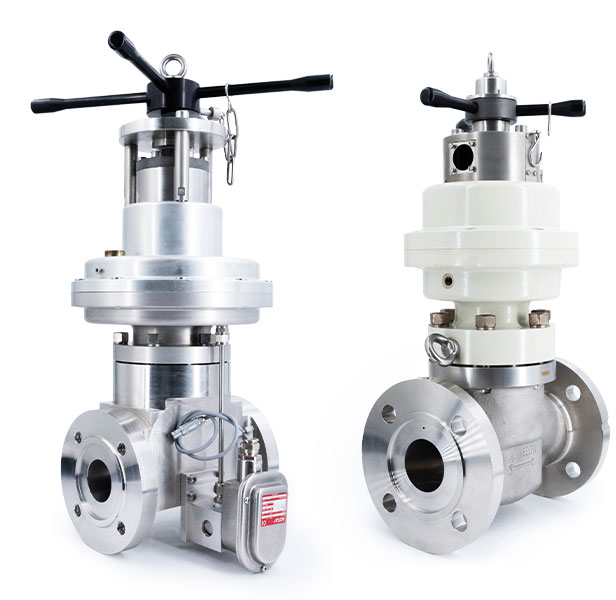
Nuclear gas management systems are used throughout the nuclear fuel cycle and in a wide range of critical applications where gas containment, precise flow control, and long-term reliability are essential. From power generation and energy production to advanced science, these systems ensure the safe handling of hazardous and high-purity gases under demanding operating conditions. As nuclear technologies continue to evolve, operators and engineers search for gas control solutions that deliver the highest levels of safety, efficiency, and performance.
Typical applications include:
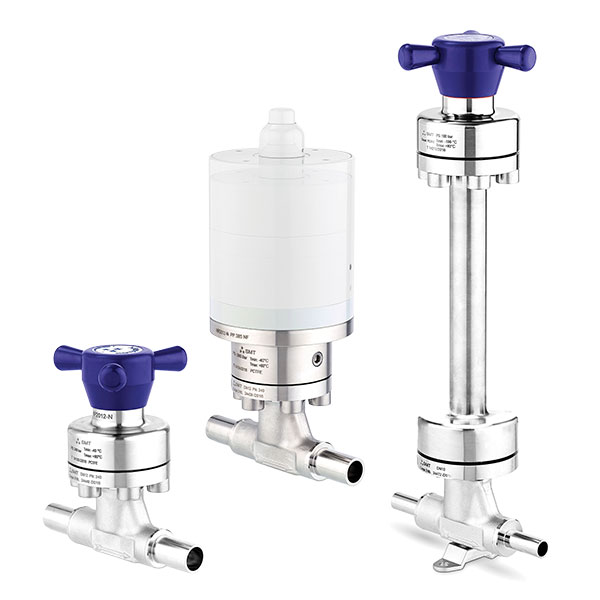
The Rotarex bellows valves and check valves are designed for UHP gas control, delivering exceptional leak tightness, long service life, and reliable performance under the most demanding operating conditions. Engineered to withstand extreme temperatures, from cryogenic environments to elevated process temperatures, as well as high operating pressures, they ensure safe and precise control of critical process gases.
For more information on the core technology behind our nuclear valve solutions, discuss your nuclear gas project with our team.
Uranium hexafluoride (UF6) is a highly reactive and corrosive gas used during uranium conversion and enrichment processes. Handling UF6 requires valves capable of providing exceptional leak tightness, chemical compatibility, and long-term reliability. Rotarex bellows valves are specifically designed for these demanding applications, offering hermetic sealing, high-integrity construction, and materials selected to withstand aggressive nuclear process gases.
Tritium is a radioactive hydrogen isotope that can permeate many conventional sealing materials. Bellows valves are preferred because their welded metal bellows eliminate the dynamic stem seal found in traditional packed valves, significantly reducing the risk of external leakage. This hermetic design provides the high level of containment required for the safe handling of tritium in fusion research, nuclear laboratories, and other critical gas management systems. Read our blog article to discover why bellows valves are the preferred solution for tritium handling, how their hermetically sealed design minimizes the risk of leakage, and why they are widely used in fusion research and other critical nuclear gas applications.
Nuclear valves are typically verified using helium leak testing, one of the most sensitive methods available for detecting extremely small leaks. Helium is used because of its small atomic size and inert properties, allowing manufacturers to confirm the integrity of the valve body, welded bellows and sealing surfaces. Depending on the application, additional pressure, functional, endurance, and qualification tests may also be performed to meet customer and nuclear industry requirements.
Material selection depends on the process gas, operating temperature, pressure and environmental conditions. Nuclear gas valves are commonly manufactured from high-performance alloys such as Stainless Steel, Inconel®, Monel® and Hastelloy®, chosen for their excellent mechanical strength, corrosion resistance and compatibility with radioactive, toxic, cryogenic and high-purity gases. Full material traceability is often required to support nuclear quality assurance programs.
Acceptable leak rates depend on the application, the gas being handled and the customer's qualification requirements. For critical nuclear gas management systems, extremely low leak rates are typically required to ensure personnel safety, environmental protection, and process integrity. Rotarex high-integrity bellows valves achieve helium leak rates down to 1 × 10⁻¹⁰ Pa·m3/s, providing the level of containment needed for demanding nuclear applications.