Print

Download datasheet

RPV Valves : Reliable Safety for Gas Cylinder Systems

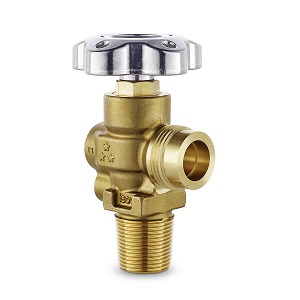
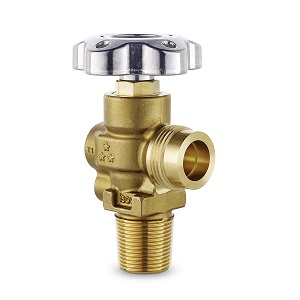
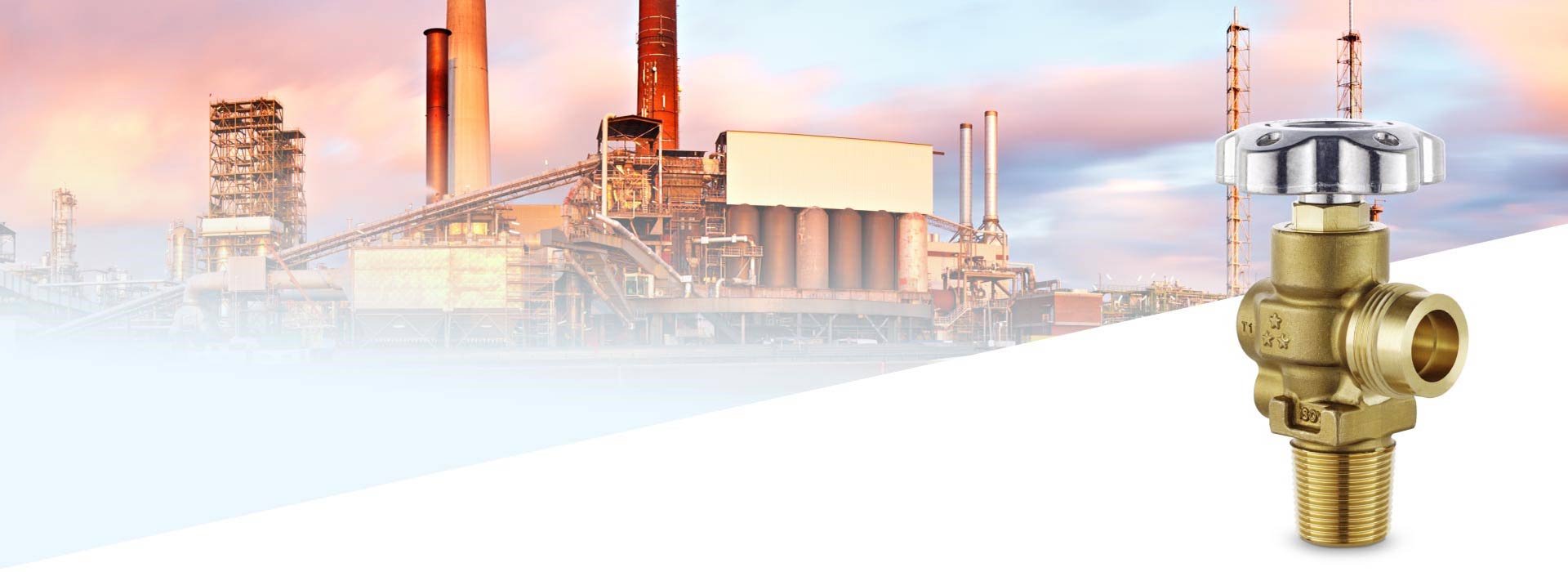
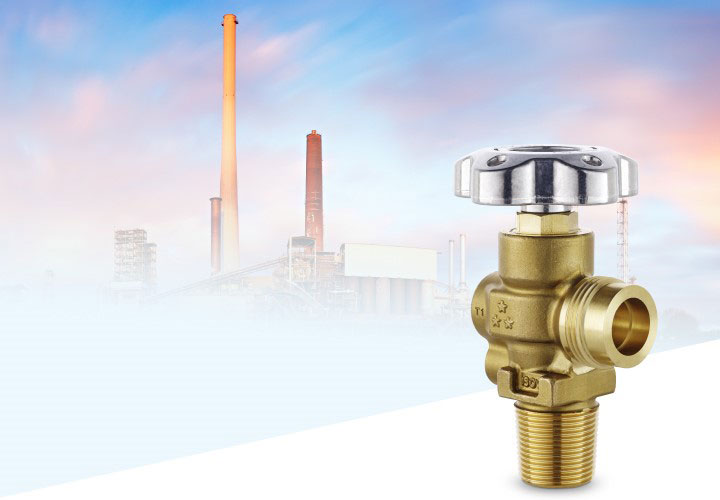
Residual pressure valves (RPVs) are essential components that ensure optimal safety, reliability, and performance in any gas cylinder system. By maintaining a low residual pressure inside the cylinder, they prevent contamination and protect both users and equipment. Designed and tested in accordance with international ISO and EN standards, RPV valves guarantee consistent quality for applications using oxygen, nitrogen, CO2, and other specialty gases. Combining innovation and proven engineering, they offer long-lasting performance for industrial, medical, and laboratory environments.

Discover our complete range of RPV valves or contact our team for expert technical advice.

Industrial gas valves

Residual pressure valves

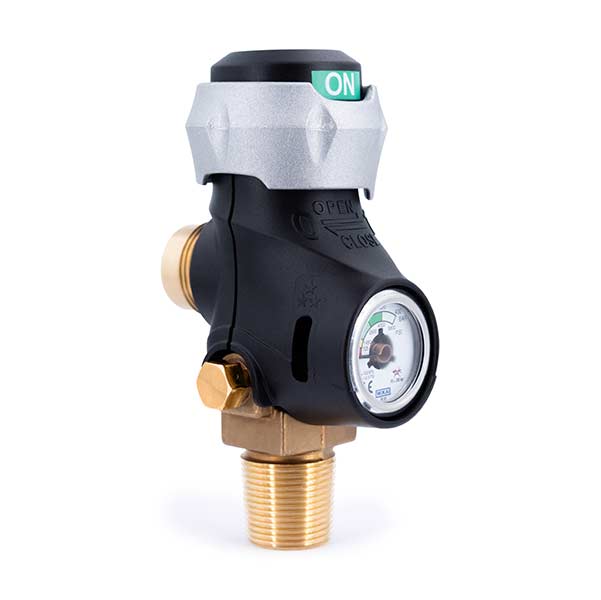
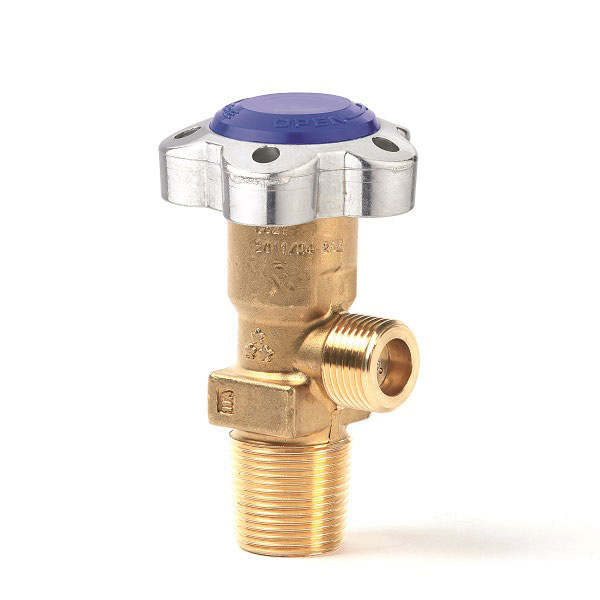
  • Residual Pressure Valve
    O2, N2O, CO2, inert gases
    Max. Inlet pressure: 300 bar
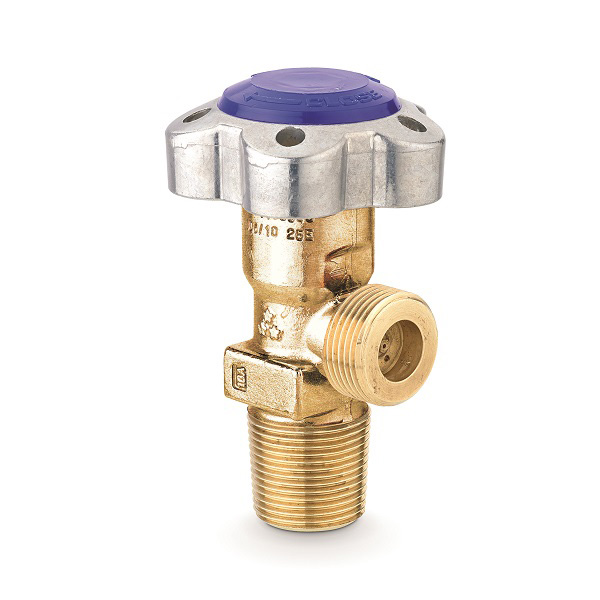
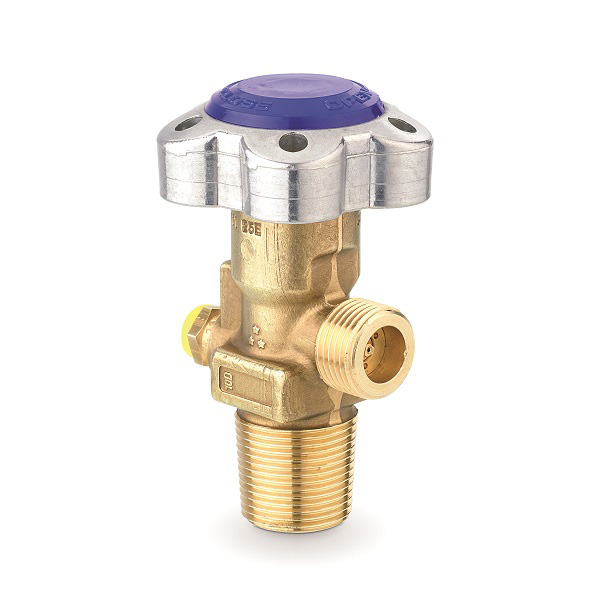
  • Residual Pressure Valve
    Inert & mix, O2, oxidizing and flammable gases
    Max. Inlet pressure: 315 bar
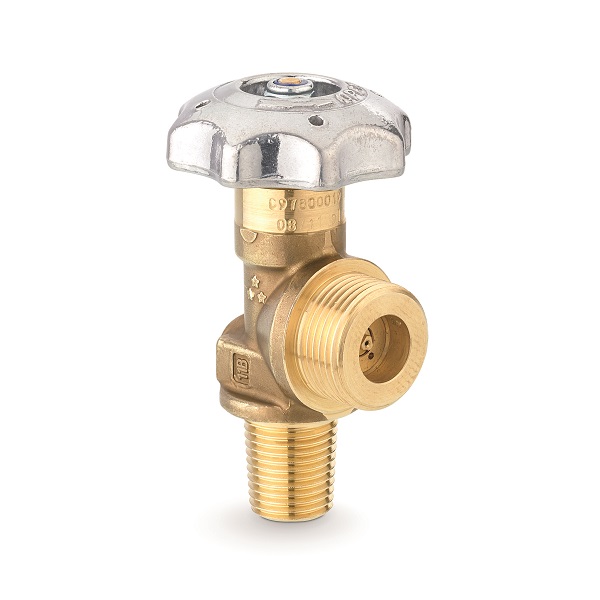
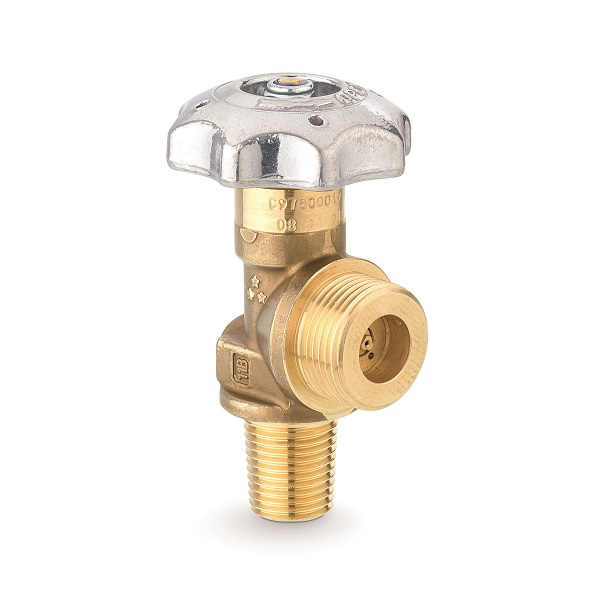
  • Residual pressure valve
    O2, N2O
    Max. Inlet pressure: 200 bar
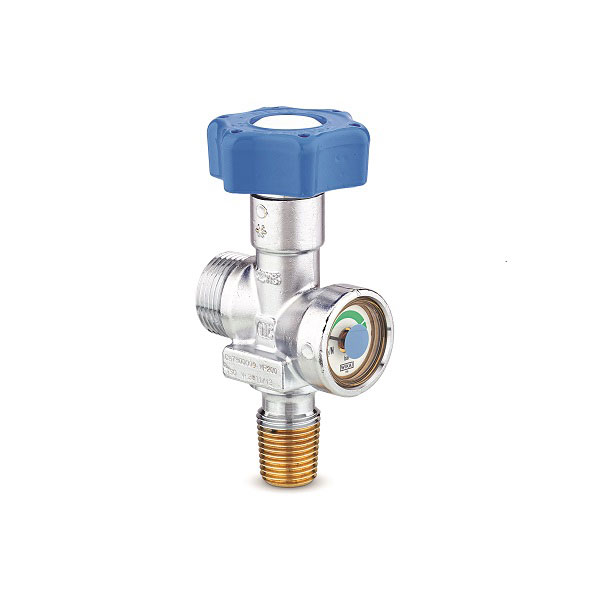
  • RPV Small cone
    O2 and N2O
    Max. Inlet pressure: 200 bar
  • RPV Small cone
    O2 and inert
    Max. inlet pressure: 200 bar
  • Residual Pressure Valves
    Inert, mixtures and flammable
    Max. inlet pressure: 200 bar
  • RPV Dual port
    Inert & flammable
    Max. inlet pressure: 200 bar
  • RPV Small cone
    Inert, flammable
    Max. Inlet pressure: 200 bar
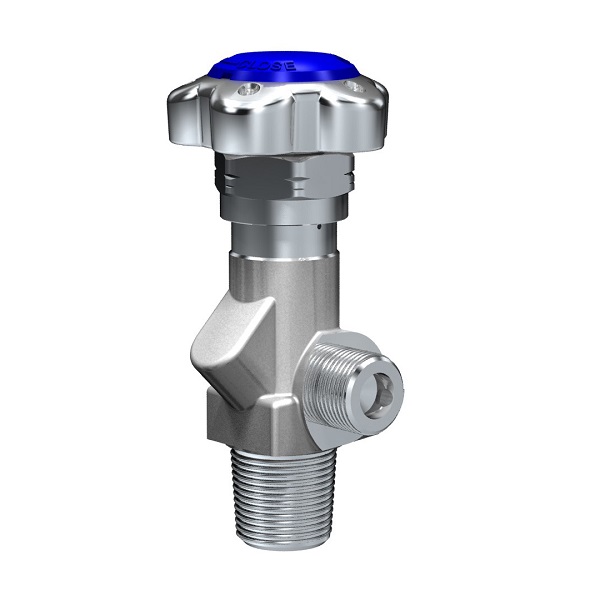
  • Residual pressure valve
    CO2
    Max. Inlet pressure: 200 bar
  • RPV Small cone
    CO2
    Max. Inlet pressure: 200 bar
  • Soft seat
    6mm orifice
    Offline RPV

What is an RPV Valve and How Does It Work?

A RPV is a cylinder valve designed to maintain a small amount of pressure inside the cylinder even after all the gas has been used. The purpose is to prevent impurities, moisture, and air from entering the cylinder and thus protect it.

When open, the valve allows cylinder contents to push the piston against spring resistance, enabling gas release. If the pressure in the cylinder drops below 1-5 bar, the spring's tension pushes the piston back to the valve seat, ensuring some residual pressure remains in the cylinder after the discharge process. A specific adapter is needed for refilling. This adapter's pin pushes the piston, overcoming the non-return feature to let gas flow out. The non-return valve function itself prevents backflow of fluids into the cylinder from a higher-pressure source.
What is an RPV Valve and How Does It Work?
Benefits of Using RPV Valves

Benefits of Using RPV Valves

Using an RPV offers several advantages over a standard valve. The most important is that RPVs extend the life of the cylinder by preventing external contamination. To do this, they maintain a slight overpressure inside the cylinder, which blocks contaminants (air, moisture, or particles) from entering. With a standard valve, when the pressure in the cylinder drops to 0, air can enter the cylinder, leading to risks of corrosion, gas contamination, etc.

By preventing impurities from getting into the cylinder, the gas remains clean, which limits the risk of explosion, dangerous gas mixtures, or simply cylinder deterioration due to oxidation. By protecting the gas, the equipment that uses it is also protected, increasing its life expectancy and reducing the number of breakdowns or maintenance requirements.

Furthermore, by protecting cylinders from contaminants, savings can be made in terms of operations including cleaning and emptying cylinders. The risk of gas quality problems is reduced and, as a result, the service life of cylinders is extended and fewer cylinders are discarded. This results in lower overall costs for the gas supplier.

Why using a Rotarex RPV ?

The advantage of using a Rotarex RPV lies in the fact that our technology allows bottles to be filled more quickly and efficiently. Thanks to the optimized design of the RPD piston, with a stroke of up to 7.5 mm, the valve offers a significantly higher flow rate, enabling high-speed filling while maintaining a positive pressure inside the bottle. Its engineered precision, combined with proven durability, ensures consistent performance in demanding environments and across repeated cycles.

This improved flow capacity translates directly into increased productivity for filling operations: more cylinders can be processed in less time, with less congestion at the filling station. For example, filling a standard 10 kg carbon dioxide cylinder now takes only 20 seconds, allowing operators to process larger volumes without compromising safety or internal cleanliness. Each RPV is rigorously tested to ensure optimal functionality and long-term reliability.

In short, Rotarex's RPV technology combines fast flow, robust cylinder protection, and reliable mechanical performance, offering a clear operational advantage for gas fillers handling large cylinder fleets.
Why using a Rotarex RPV ?
Applications of RPV Valves

Applications of RPV Valves

Residual Pressures Valves can be used anywhere where gas purity, safety, and cylinder quality are important criteria. Here is a list of the most common applications for RPV:

  • Industrial gases (welding, heat treatment, inerting, food and beverages industry, etc.): the use of an RPV is necessary to avoid corrosion inside the cylinder and ensure safe and faster refills.
  • Special gases (calibration, laboratory applications, chemical and pharmaceutical processes): a residual pressure valve is essential to guarantee gas purity and the integrity of mixtures.
  • Medical gases (hospitals, intensive care, transport, etc.): RPV valves are essential to guarantee patient safety, as any impurities in the gas could endanger the patient.
Frequently Asked Questions About RPV Valves
What is a Residual Pressure Valve?

A RPV is a cylinder valve designed to maintain a small amount of pressure inside the cylinder even after all the gas has been used. The purpose is to prevent impurities, humidity, and air from entering the cylinder and thus protect it.

What are the advantages of a RPV?

Using an RPV ensures safety and cost benefits. By maintaining a slight internal overpressure, it prevents moisture and particles from entering the cylinder. This protection keeps the gas clean, reduces risks such as corrosion, dangerous mixtures and extends the cylinder’s lifetime. Because the gas and equipment stay cleaner, maintenance needs decrease and fewer cylinders are rejected, ultimately lowering operating costs for the gas supplier.

What are the main applications that require an RPV?

RPVs are used wherever gas purity, safety, and long-term cylinder integrity are essential. They are widely applied in industrial gases, such as welding, heat treatment, inerting, and food processing, where they prevent internal corrosion and support safe, efficient refilling. They are equally critical for special gases used in calibration, laboratories, and chemical or pharmaceutical processes, ensuring mixture integrity and high purity. In medical applications, RPVs are indispensable for oxygen and other therapeutic gases, where even minimal impurity could compromise patient safety.

Connect with an Expert
Go up
×
Loading