Print

Download datasheet

GAS EQUIPMENT FOR FOOD & BEVERAGE INDUSTRY

In food and beverage production, the gases used in processing and packaging are classified as food additives under European law. Every gas that contacts a food product must comply with EC Regulation 1333/2008. Every piece of equipment that delivers or controls that gas must comply with EC Regulation 1935/2004. These two regulations are inseparable. The gas enters the production environment with a certified purity grade.

The equipment must preserve that purity from the cylinder to the point of application. A non-compliant component anywhere in the gas circuit breaks the compliance chain and invalidates the food additive status of the gas at the point of use.

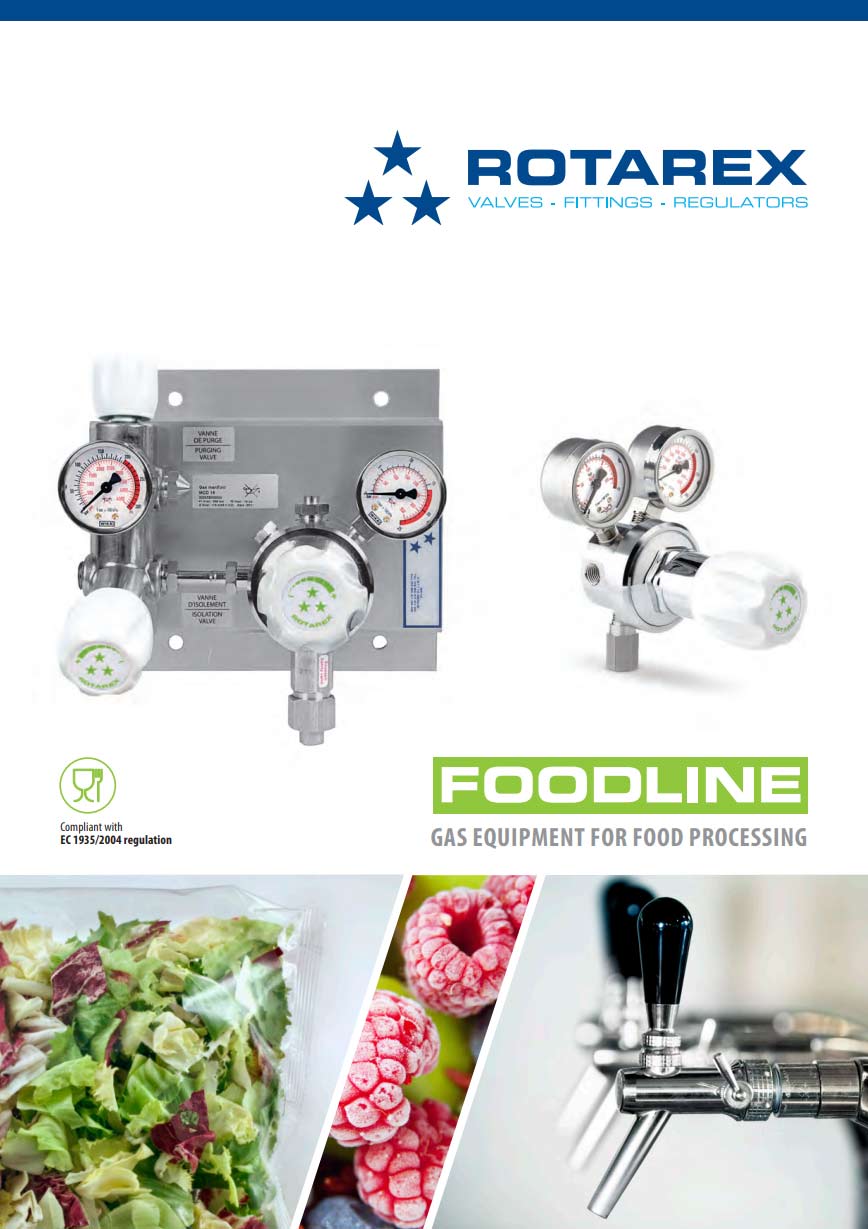
Rotarex designs and manufactures the complete Foodline range of food-grade gas equipment: pressure regulators, supply and switchover boards, point-of-use solutions, fittings, and accessories.

The entire range is fully compliant with EC Regulation 1935/2004, covering materials, process, quality, and packaging. It is compatible with all food-grade gases in common use: nitrogen, carbon dioxide, oxygen, argon, nitrous oxide, helium, hydrogen, and gas mixtures.
GAS EQUIPMENT FOR FOOD & BEVERAGE INDUSTRY
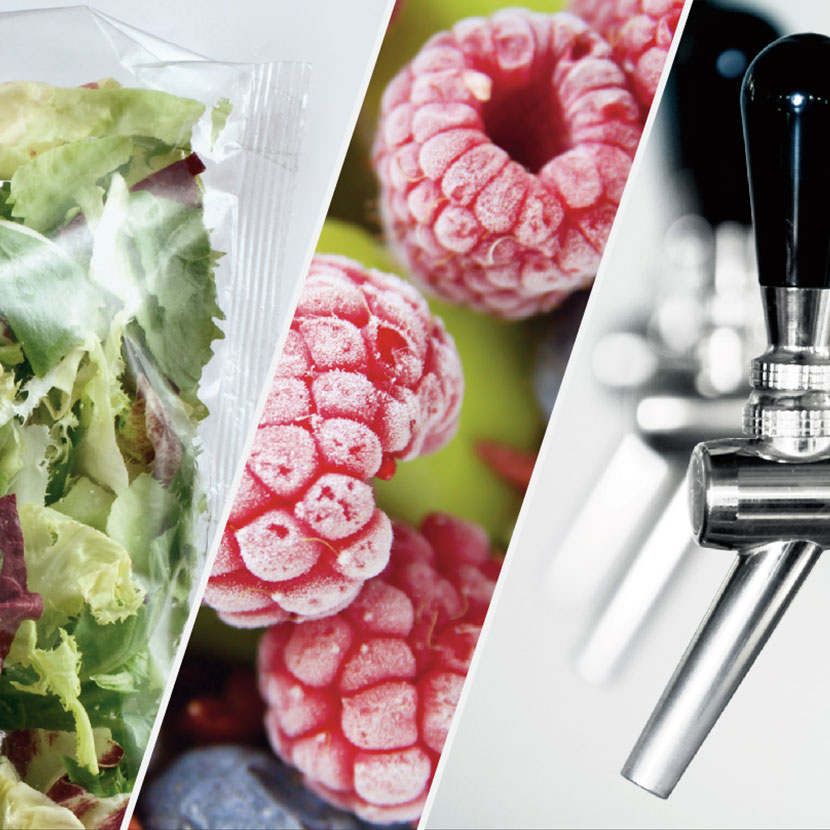
Use of gases in the food industry
  • Freezing and chilling
  • Carbonation of beverages
  • Modified atmosphere packaging
  • Temperature control
  • Preserve fresh products from oxidation
  • Speed up growth of fruits and vegetables
  • Transportations
Main requirements for the gas system
  • No contamination of the gas in contact with the food
  • Safety of the equipment
  • Precise gas flow
  • Gas identification
  • One stop shop supplier for all gas equipment

FOODLINE, A FULL RANGE OF GAS EQUIPMENT FOR FOOD PROCESSING COMPLIANT WITH THE EC 1935/2004

FOODLINE, A FULL RANGE OF GAS EQUIPMENT FOR FOOD PROCESSING COMPLIANT WITH THE EC 1935/2004
Fully EC 1935/2004 compliant
  • Prevents gas contamination
  • Materials, process, quality and packaging comply with the E.U. Regulation
  • Specific labelling and laser marking
  • Packaging in accordance with the EU regulation
Proven quality
  • Appropriate compatibility certificates provided
  • Specific laser marking including the EU regulation logo
  • Insured traceability for all products
  • Almost 100 years expertise as an innovation and quality leader
A complete food handling range
  • All the equipment to configure a complete gas distribution system
  • Pressure Regulators, Switchover Board, Connectors, Line Valves and Accessories
  • One-Stop shop for your gas handling needs

Food industry

Supply & switchover boards

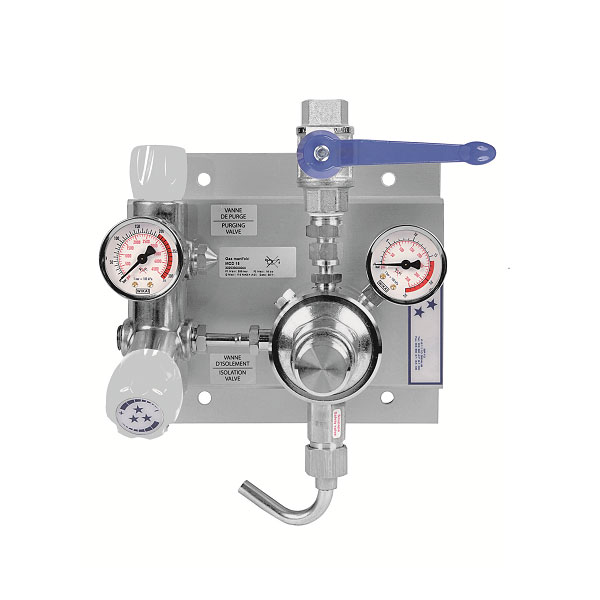
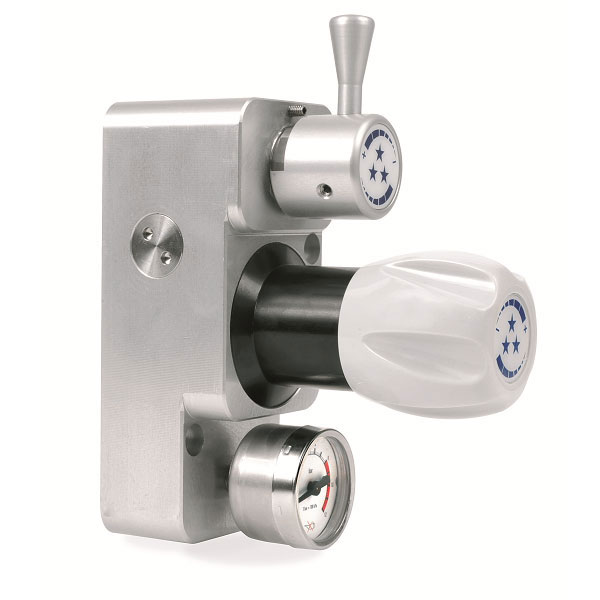
  • Diaphragm single stage supply board with balanced valve - MOD
    Supply board with duo bloc
    Single stage
    Diaphragm technology + BV
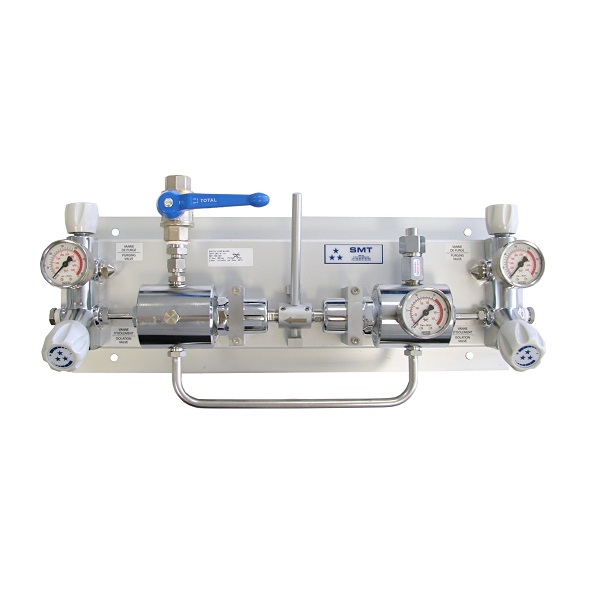
  • High flow automatic switchover board with manual reset - CEN
    Automatic SOB with manual reset
    Single stage
    Diaphragm technology

Pressure regulators

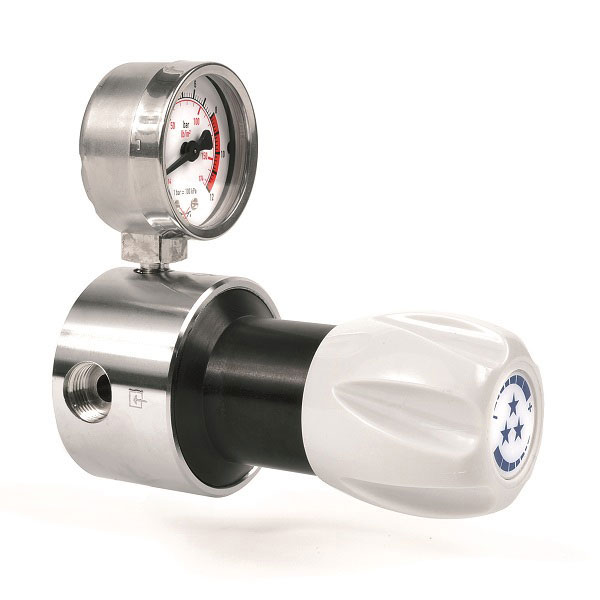
  • Diaphragm single stage high pressure regulator with balanced valve - S800
    High pressure regulator
    Single stage
    Diaphragm technology + BV
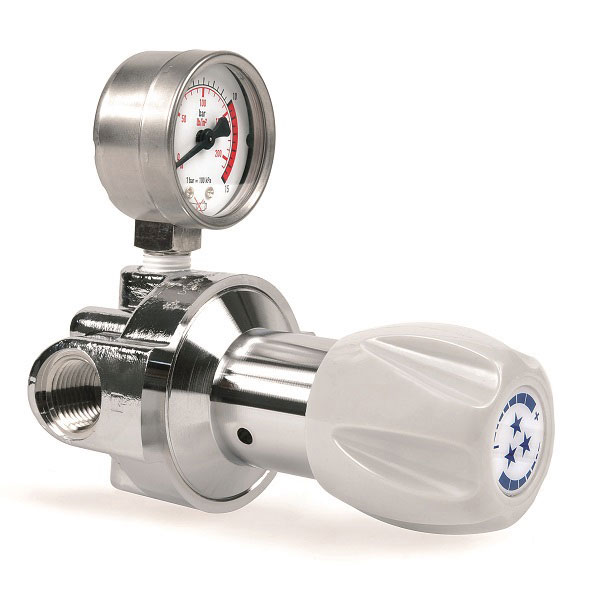
  • Diaphragm low pressure regulator with balanced valve for high flow - S15
    High flow low pressure regulator
    Single stage
    Diaphragm technology + BV
  • Diaphragm Single Stage High Pressure Regulator with Cartridge for Food Industry – SC290
    High pressure regulator
    Single stage
    Diaphragm tech. + Cartridge
  • Diaphragm low pressure regulator with balanced valve for very high flow - DC50
    Low pressure regulator
    Single stage
    Diaphragm technology + BV

Point of use

  • Diaphragm integrated point of use with balanced valve - MS15
    Point of use
    Integrated
    Diaphragm technology

Accessories

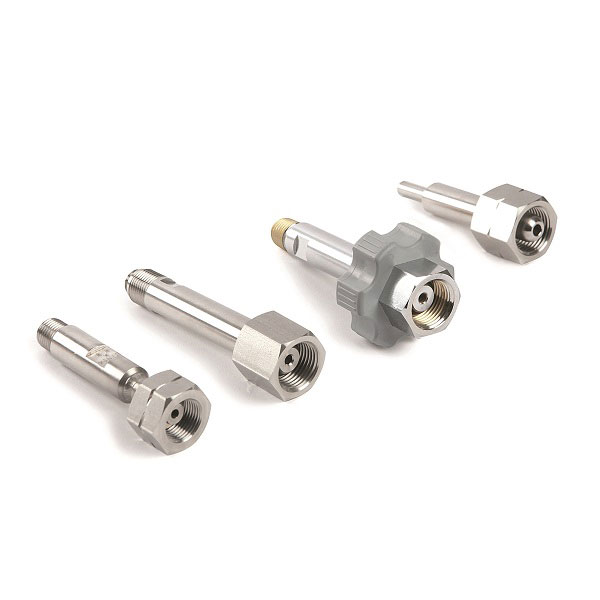
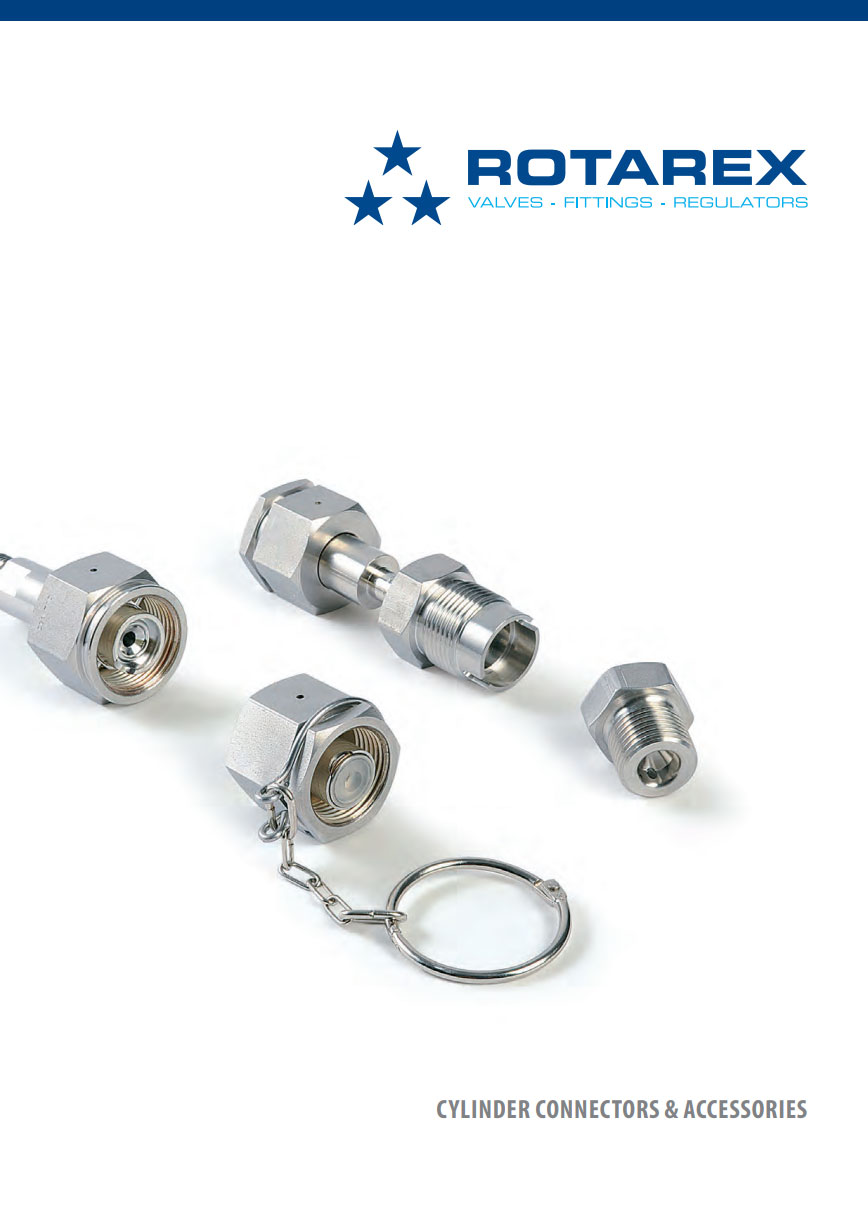
  • BS, UNI, DIN, CGA/DISS, AFNOR, NEN cylinder connectors
    High pressure cylinder connectors
    200/300 bar versions
    BS, UNI, DIN, CGA/DISS, AFNOR, NEN..
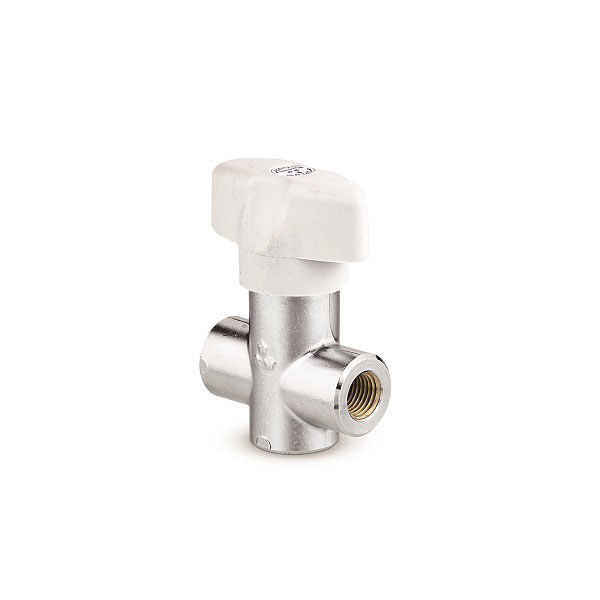
  • Diaphragm low to high pressure line valve - VD
    Low to high pressure line valve
    ¼ turn handwheel
    Diaphragm technology
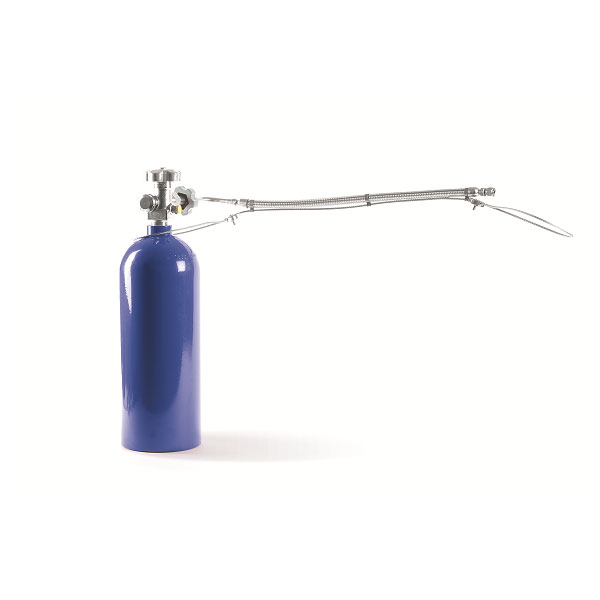
  • Flexible hoses for food industry- FX06 F
    Flex hoses
    High pressure
    Stainless steel
  • Straight or elbow pigtails
    Pigtails
    Straigh or elbow versions
    AFNOR, DIN, NEN, UNI…

How Gases Are Used Across Food and Beverage Production

Food and beverage production relies on gases authorized as food additives under EC 1333/2008, including CO2(E290), N2(E941), O2(E948), Ar (E938), N2O (E942), He (E939) and H2(E949). These gases are used at multiple stages of manufacturing, from primary processing to packaging, storage and transport, each step having specific requirements for purity, flow rate and pressure stability.

Carbonation of Beverages

Carbon dioxide (E290) is the primary gas for beverage carbonation.

Precise pressure and flow control at the carbonation point directly determines the dissolved CO2concentration in soft drinks, beer, sparkling water and other carbonated products.

Outlet pressure stability at this stage translates directly into product consistency across production batches.

Modified Atmosphere Packaging

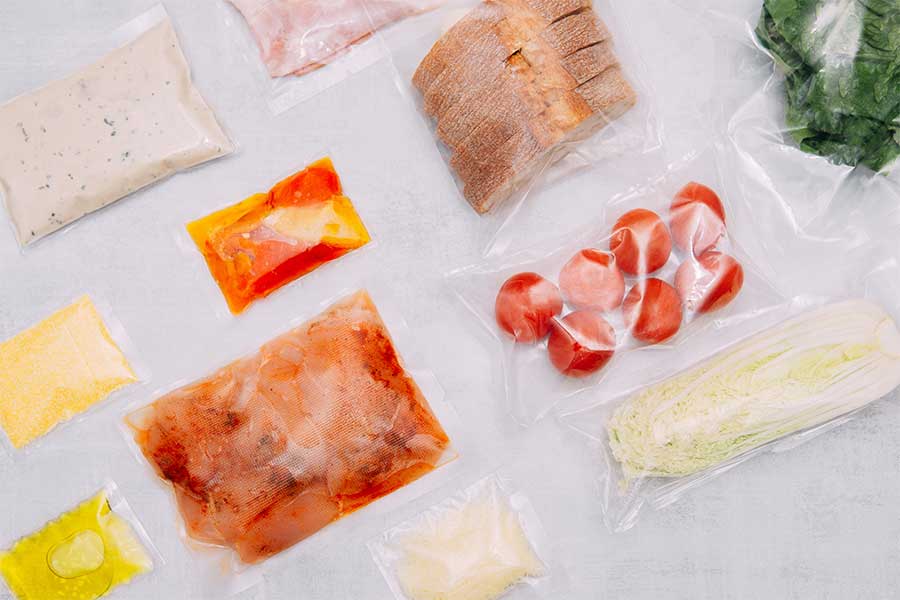
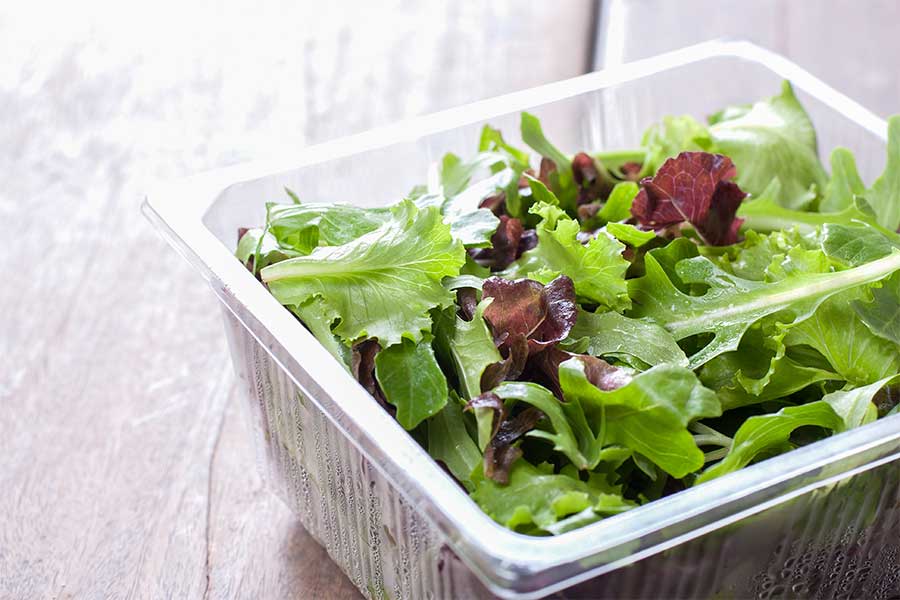
Modified atmosphere packaging uses controlled blends of nitrogen (E941), carbon dioxide (E290), and oxygen (E948) to displace ambient air inside food packaging.

The gas mixture is selected to slow oxidation, inhibit microbial growth, and extend shelf life without additives. Delivery consistency and gas purity are critical at this stage: any contamination or pressure variation alters the protective atmosphere inside every package.

Cryogenic Freezing and Chilling

Cryogenic freezing and chilling use liquid nitrogen and carbon dioxide to achieve rapid temperature reduction in meat, seafood, bakery products, and prepared foods.

Controlled injection of cryogenic gases into tunnel or spiral freezers requires precise flow regulation to maintain process temperature and minimize product moisture loss.

Equipment must perform reliably under continuous operating conditions in low-temperature environments.

Inert Blanketing and Oxidation Prevention

Nitrogen (E941) and argon (E938) blanketing prevents oxidation during storage and transfer of sensitive food products, including edible oils, wine, and fruit juices.

A continuous inert atmosphere prevents contact with atmospheric oxygen, preserving product quality and extending shelf life.

Helium (E939) is used in specific analytical and packaging applications requiring an inert gas with different diffusion properties.

Controlled Atmosphere Storage and pH Control

Controlled atmosphere storage regulates the composition of the storage environment to slow the respiration of fresh produce and extend shelf life.

Nitrous oxide (E942) is used as a propellant in specific food applications.

Carbon dioxide is also used for pH control and for suppressing microbial activity during cold-chain transport of perishable goods.

Why Food and Beverage Producers Choose Rotarex

  • Full EC Regulation 1935/2004 compliance across all Foodline products: materials, process, quality, and packaging
  • GMP documentation under EC 2023/2006: controlled production environment, individual serial numbers, full process records
  • Pressure equipment compliance under PED 2014/68/EU alongside food contact compliance
  • Compatible with all EC 1333/2008 food-grade gases: N2, CO2, O2, Ar, N2O, He, H2, and gas mixtures
  • Specific laser marking including the EU regulation logo on every product
  • Insured traceability across the supply chain, supporting HACCP and ISO 22000 operations
  • Appropriate material compatibility certificates provided with every product
  • Complete gas distribution range from cylinder supply to point of use: one supplier, one compliance framework
  • Nearly 100 years of expertise in gas control engineering

Why Food-Grade Gas Equipment Requires Dedicated Engineering

Standard industrial gas equipment is not qualified for food contact service. It does not meet the material compatibility, traceability, or documentation requirements of applicable food contact regulations.

Using non-compliant equipment in a food production gas circuit creates a regulatory gap that breaks the compliance chain established by EC 1935/2004.

Why Food-Grade Gas Equipment Requires Dedicated Engineering
Contamination Risk at Every Connection Point

Contamination Risk at Every Connection Point

Any material in the gas circuit that can migrate into the gas stream must comply with food contact regulations.

This includes valve bodies, seals, lubricants and internal surface finishes. Substandard materials introduce contamination at the component level that then reaches the food product directly.

Gas purity must be maintained from the cylinder through the full distribution system to the point of application. Standard industrial components are not selected, tested, or documented for this requirement.

Food-grade equipment requires materials verified and certified specifically for food contact service.

The Compliance Chain: From Gas to Point of Use

Food-grade gases are delivered to production facilities with a certified purity grade that qualifies them as food additives under EC 1333/2008. This certification applies to the gas at the point of delivery. From that point, the equipment takes over.

If any component in the distribution circuit introduces contamination, alters the gas composition, or lacks the required traceability documentation, the food additive compliance of the gas at the point of use cannot be verified. This exposes the food producer to liability under food safety regulations, regardless of the quality of the gas source.

Rotarex Foodline equipment is designed to preserve the certified purity of food-grade gases throughout the full distribution circuit, from the cylinder connector to the point-of-use regulator.

The Compliance Chain: From Gas to Point of Use

Proven Quality and Traceability

Food industry gas equipment must be traceable across its full service life. Rotarex Foodline products are manufactured in a controlled production environment. Each product is assigned an individual serial number that enables full traceability through the supply chain.

Specific laser marking on every Foodline product includes product identification and the EU regulation logo, satisfying the labelling requirements of EC 1935/2004 and EC 2023/2006. Appropriate material compatibility certificates are provided with every product.

These documents directly support the traceability records required by food safety management systems including HACCP-based programs and ISO 22000 / FSSC 22000 certified operations.

Nearly 100 years of expertise in gas control engineering underpin the Foodline range.

The combination of regulatory compliance, comprehensive documentation, a complete product range and a single compliance framework makes Rotarex a one-stop-shop supplier for food-grade gas handling.

A Complete Food-Grade Gas Distribution System

Managing a food production gas circuit requires a full set of compatible, compliant components from the cylinder supply point to the point of application. Rotarex Foodline covers every stage of this circuit with a dedicated range of food-grade equipment, providing a complete one-stop-shop solution.

Supply and Switchover Boards

Supply and switchover boards manage the connection and transition between gas cylinders in a food production installation.

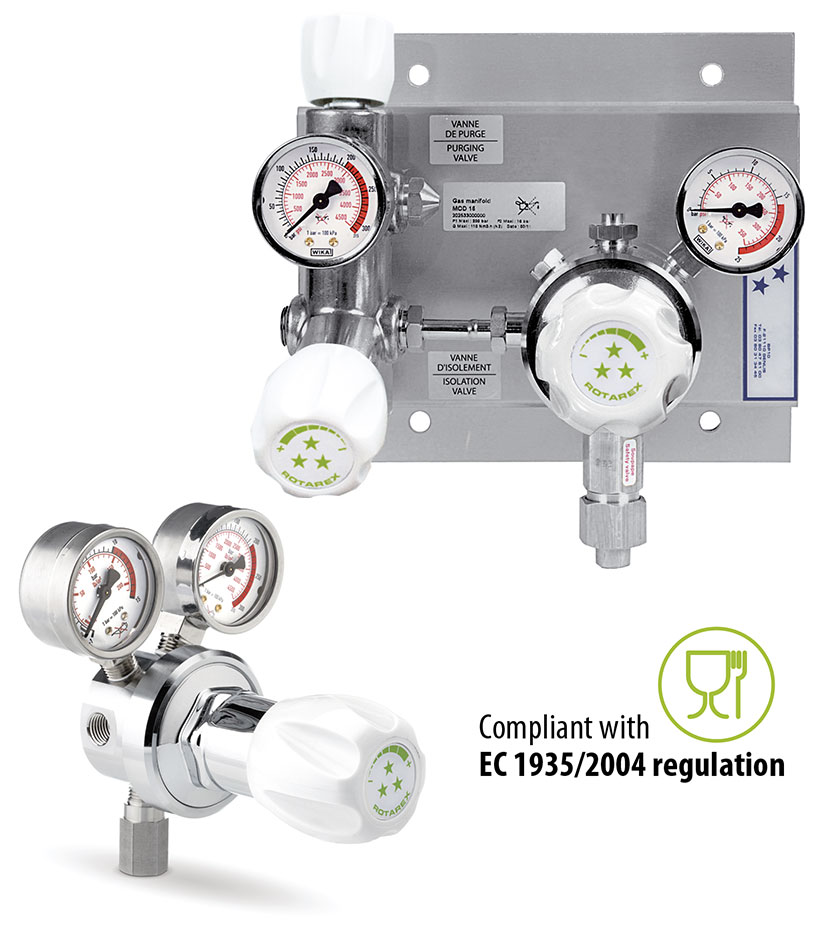
The MOD 200 F diaphragm single-stage supply board with balanced-valve technology provides stable gas supply control for single-bank configurations, with support for up to three cylinders and a purge line. Inlet pressure up to 200 bar (2900 psig); outlet pressure 16 to 50 bar (232 to 725 psig); nominal flow up to 180 Nm3/h.

The CEN 200 F high-flow automatic switchover board ensures uninterrupted gas supply by automatically switching to the reserve bank when the primary supply reaches a defined threshold. It supports up to six cylinders, with manual reset and alarm contact capability.

Inlet pressure up to 200 bar; outlet pressure 16 to 30 bar (232 to 435 psig); nominal flow up to 150 Nm3/h. Continuous gas supply is critical in carbonation and MAP packaging lines where any interruption directly affects product quality.

Pressure Regulators

Precise pressure regulation is critical for consistent gas delivery across food processing and packaging applications. The Foodline pressure regulator range covers a wide spectrum of flow and pressure requirements, with all wetted materials selected and tested for EC 1935/2004 compliance.

The SC290 F single-stage high-pressure cartridge regulator delivers stable outlet pressure with PCTFE seat seal, Hastelloy diaphragm, and PTFE O-ring. Inlet pressure up to 200 bar; outlet pressure 16 or 35 bar; nominal flow 50 to 75 Nm3/h in nitrogen. Compatible with oxygen service.

The S800 F single-stage high-pressure regulator uses balanced-valve technology to minimize the effect of inlet pressure fluctuations on outlet pressure. Inlet pressure up to 200 bar; outlet pressure 16 or 50 bar; nominal flow 50 to 100 Nm3/h. AISI 304 or Hastelloy diaphragm, EPDM O-ring.

The DC50 F high-flow low-pressure line regulator covers downstream applications requiring high flow at reduced pressure. Inlet pressure up to 20 bar; outlet pressure 8 or 15 bar; nominal flow up to 120 Nm3/h for 15 bar service.

The S15 F line regulator provides a second level of regulation downstream of the supply or switchover board. Inlet pressure up to 25 bar; outlet pressure 10 bar; nominal flow 50 Nm3/h. Compatible with oxygen service.

Point of Use

The MS15 F integrated point-of-use solution combines an S15 F type regulator and a VLM 200 valve in a single compact assembly.

It provides local pressure control at the point of gas application, reducing the number of connection points in the circuit.

Aluminum body; inlet pressure up to 25 bar; outlet pressure 10 bar; nominal flow 50 Nm3/h.

Accessories

The Foodline accessories range completes the food-grade gas circuit. The VDF diaphragm line valve provides high-integrity shutoff with Hastelloy diaphragm seal and PCTFE seat, available in 50 bar and 230 bar inlet versions, in female-female, male-female, and female-male orientations.

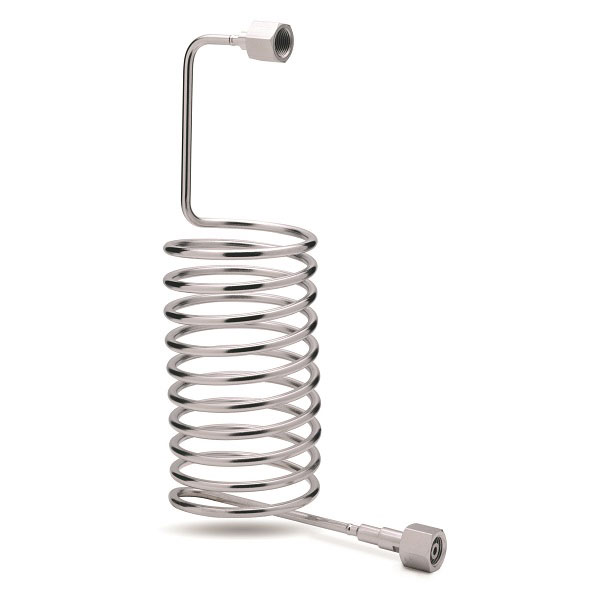
Pigtails are manufactured in electropolished stainless steel and are available in straight and elbow versions. Cylinder connector standards covered include AFNOR, DIN, BS, CGA, UNI, and NEN.

The FX06 F flexible hose uses a stainless steel 316L double-braid construction with stainless steel internals, rated to 200 bar for DN 1/4' and 150 bar for DN 3/8' configurations, with a stainless steel safety cable as standard.

Cylinder connectors are available in chrome-plated brass or stainless steel, covering all international standards: AFNOR, DIN, BS, UNI, and NEN. All accessories carry full EC 1935/2004 compliance documentation.
downloads
  • Download
    Foodline - Gas equipment for food processing
    Last update: Feb 17, 2026
    Available in: en
  • Download
    Cylinder connectors & accessories
    Last update: Feb 17, 2026
    Available in: en
FAQ: Gas Equipment for the Food and Beverage Industry
Why are food-grade gases classified as food additives, and what does this mean for gas equipment?

Under EC Regulation 1333/2008, gases used in food processing and packaging are classified as food additives and assigned E-numbers: nitrogen (E941), carbon dioxide (E290), oxygen (E948), argon (E938), nitrous oxide (E942), helium (E939), and hydrogen (E949).

This classification establishes that the gas must arrive at the point of use with its certified purity grade intact.

The equipment that distributes the gas is responsible for maintaining that purity from the cylinder to the application.

If any component in the circuit is non-compliant or introduces contamination, the food additive status of the gas at the point of use cannot be verified. This is why EC 1935/2004-compliant gas equipment is a legal requirement in food production environments, not a commercial option.

What is the difference between EC 1935/2004 and EC 2023/2006 for gas equipment procurement?

EC Regulation 1935/2004 defines the safety requirements for materials and articles intended to come into contact with food: they must not transfer constituents to food in quantities that endanger health or alter food characteristics.

It governs the product itself. EC Regulation 2023/2006 defines the Good Manufacturing Practice requirements that apply to businesses manufacturing these materials: documented quality systems, process controls, and traceability records.

It governs how the product is made. When qualifying food contact gas equipment, both must be verified.

Material certificates confirm EC 1935/2004 compliance; manufacturing documentation and traceability records confirm EC 2023/2006 compliance. Rotarex provides both for all Foodline products.

Does the Pressure Equipment Directive apply to food-grade gas regulators?

Yes.

The Pressure Equipment Directive 2014/68/EU applies to pressure equipment operating above defined pressure thresholds, regardless of the application sector. Foodline regulators and supply boards operating at inlet pressures up to 200 bar fall within its scope.

Food-grade gas equipment carries a dual compliance requirement: food contact materials compliance under EC 1935/2004, and pressure equipment compliance under PED 2014/68/EU. Both must be satisfied simultaneously.

Non-compliance with PED is a separate legal issue from non-compliance with EC 1935/2004, and both expose the operator and the manufacturer to regulatory liability.

What gases can be used with the Foodline range?

The Foodline range is compatible with all food-grade gases classified under EC Regulation 1333/2008: nitrogen (E941), carbon dioxide (E290), oxygen (E948), argon (E938), nitrous oxide (E942), helium (E939), hydrogen (E949), and gas mixtures of these. Each component must however be specified for the correct gas service. Cylinder connectors use gas-specific connections to prevent cross-connection. When configuring a multi-gas installation, Rotarex specialists can support correct component selection across all gas circuits in the facility.

How does Foodline equipment support HACCP and ISO 22000 compliance in food production?

In food production facilities operating under HACCP-based programs or ISO 22000 / FSSC 22000 certification, the gas distribution circuit is typically identified as a critical control point for contamination risk.

Managing this CCP requires documented evidence that equipment in contact with food-grade gases is compliant with EC 1935/2004, traceable through the supply chain, and supported by material certification records.

Rotarex Foodline products provide individual serial numbers, specific laser marking with the EU regulation logo, and appropriate compatibility certificates for every product.

These documents feed directly into the CCP control records and supplier qualification files required by food safety management systems.

What is the difference between a supply board and an automatic switchover board for food production lines?

A supply board manages the connection between a cylinder bank and the downstream gas distribution system, with control for single-bank configurations and a purge function.

An automatic switchover board connects two cylinder banks and automatically transitions to the reserve bank when the primary supply reaches a defined pressure threshold, without interrupting gas flow to the production line.

For food processing lines where continuous gas supply is operationally critical, such as carbonation lines or MAP packaging stations, an automatic switchover board is the appropriate configuration.

Any interruption in gas supply at these stages directly affects product quality and line throughput.

Connect with an Expert
Go up
×
Loading