Print

Download datasheet

Medical Gas Cylinder Valves

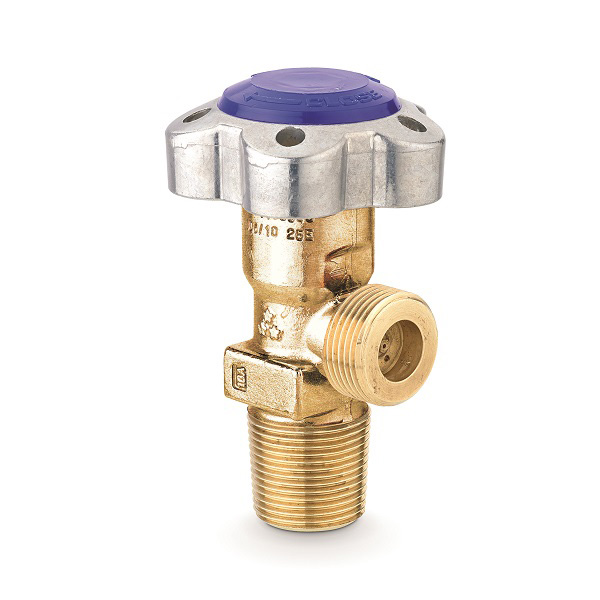
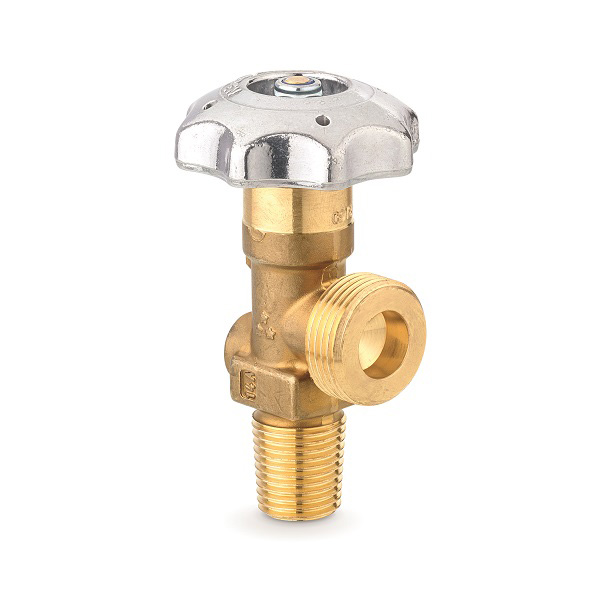
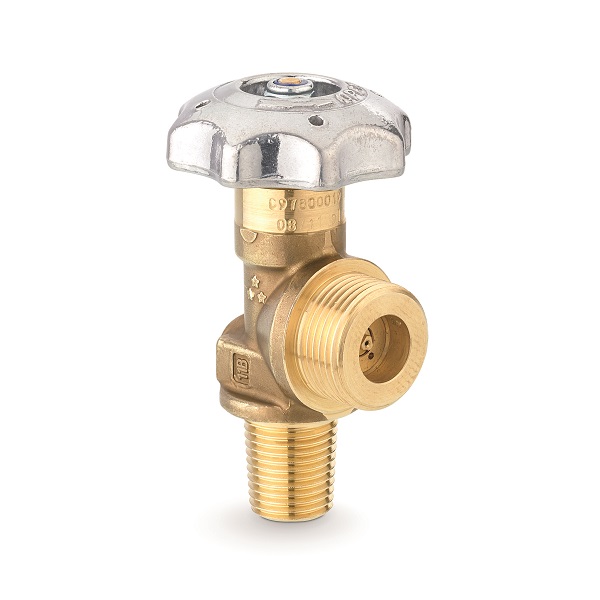
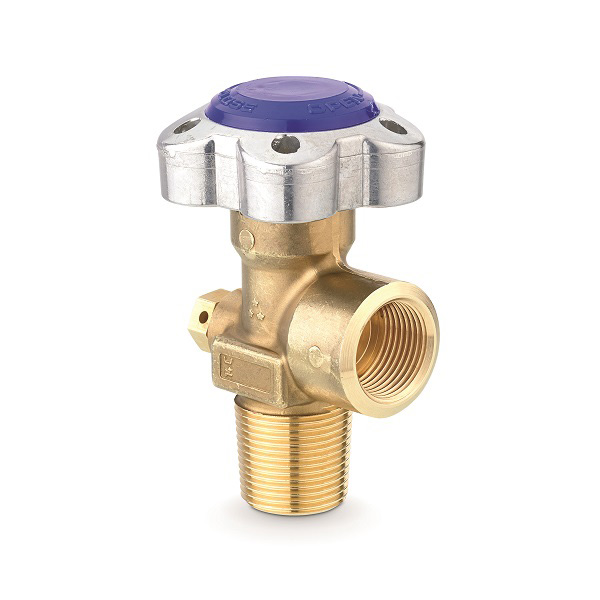
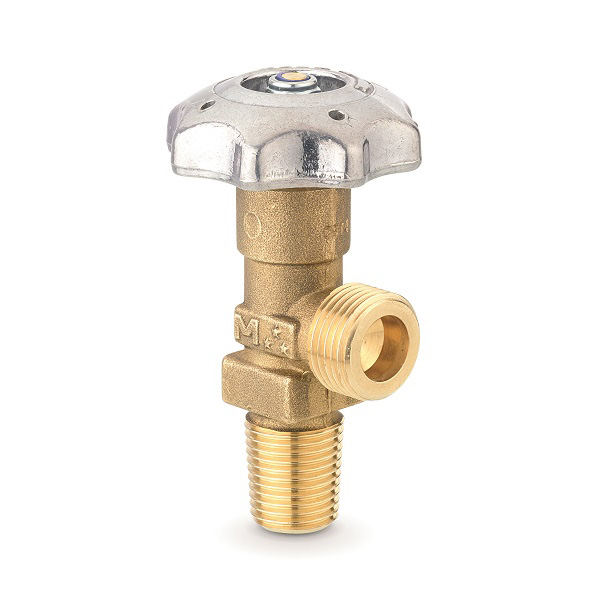
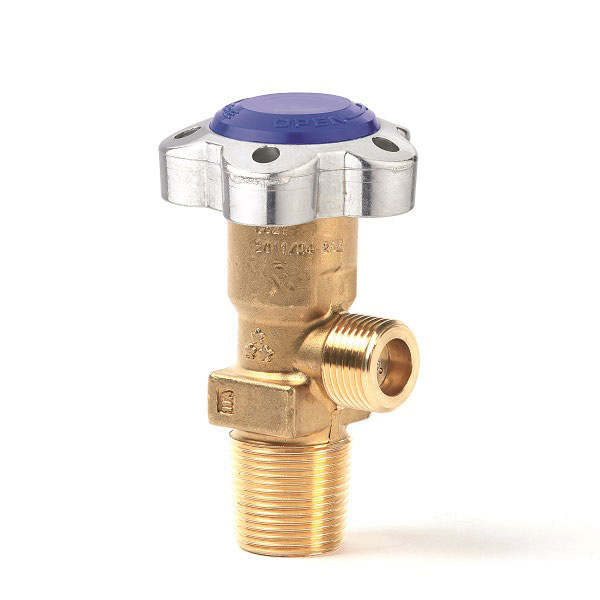
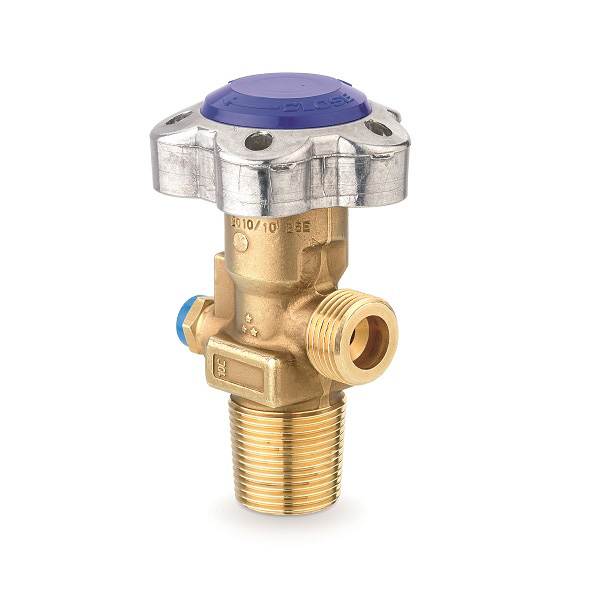
Medical gas cylinder valves are the primary interface between a compressed gas cylinder and a medical gas delivery system. Designed for use with oxygen, medical air, nitric oxide, nitrous oxide, carbon dioxide, Heliox, and other medical gas mixtures, these devices control the safe release of gas from pressurized cylinders to patients and connected equipment.

Cylinder valves are a critical component in hospitals, clinics, emergency services, and homecare settings, ensuring reliable gas flow wherever patient care depends on a continuous and controlled supply. Rotarex medical gas cylinder valves are engineered to global specifications, combining durable construction with precision flow control and full compliance with international medical device standards.

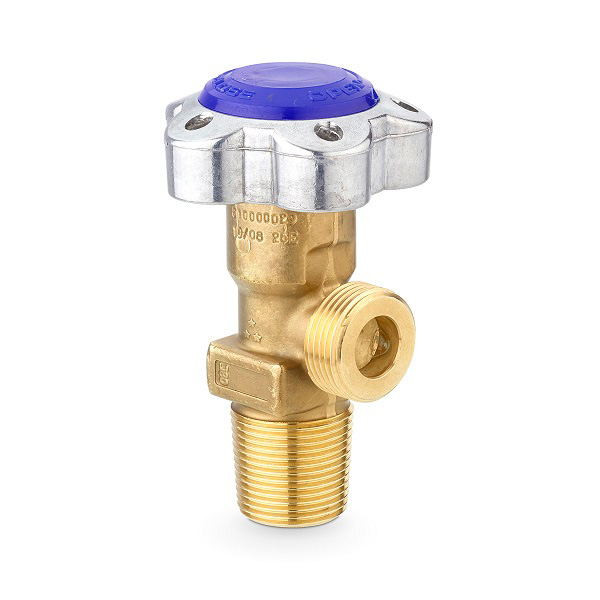
Medical Gas Cylinder Valves

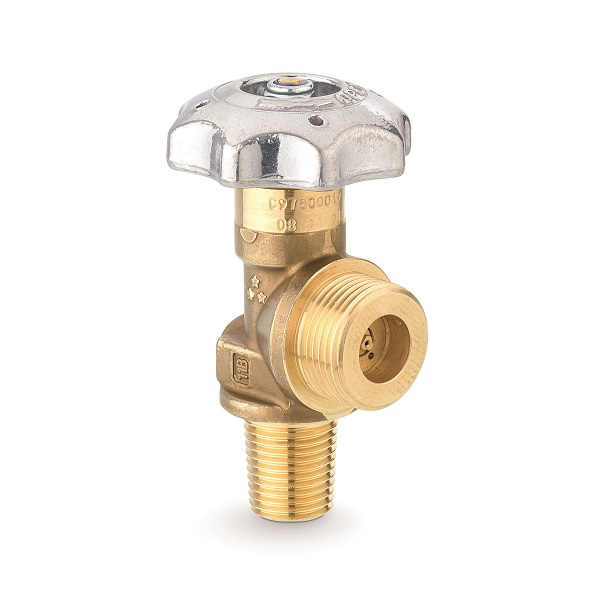
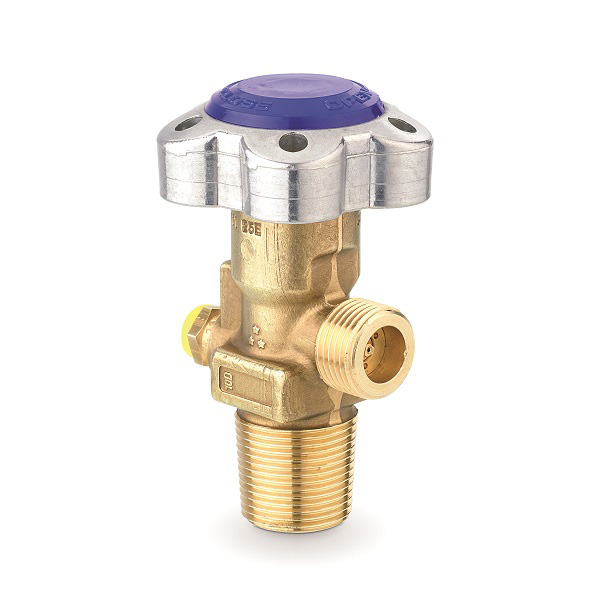
Standard gas cylinder valves

  • Residual Pressure Valve
    O2, N2O, CO2, inert gases
    Max. Inlet pressure: 300 bar
  • O2, N2O, Mixtures
    Max. Inlet pressure: 300 bar
    O-ring seal type
  • Residual pressure valve
    O2, N2O
    Max. Inlet pressure: 200 bar
  • Small cone
    O2, N2O & Mixtures
    Max. Inlet pressure: 200 bar
  • RPV Small cone
    O2 and N2O
    Max. Inlet pressure: 200 bar
  • RPV Small cone
    O2 and inert
    Max. inlet pressure: 200 bar
  • Inert, mixtures and flammable
    Max. Inlet pressure: 300 bar
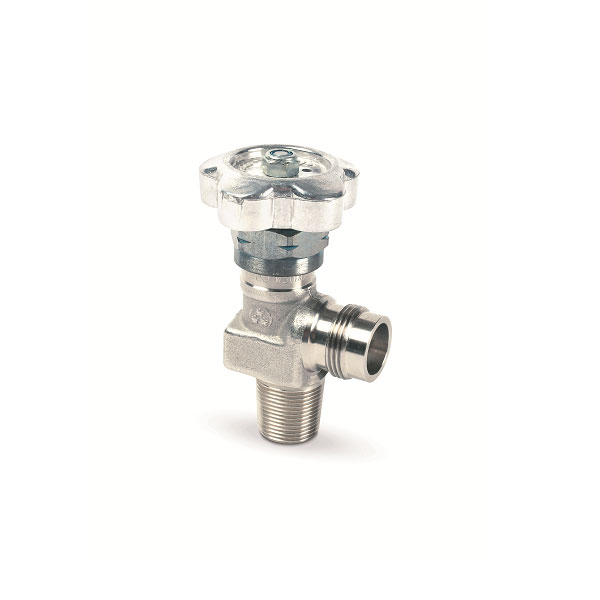
    Standard valves
  • Small cone
    Inert, mixtures and flammable
    Max. Inlet pressure: 200 bar
  • Residual Pressure Valves
    Inert, mixtures and flammable
    Max. inlet pressure: 200 bar
  • CO2 & CO2 Mixture
    Max. Inlet pressure: 200 bar
    Standard valves
  • RPV Small cone
    Inert, flammable
    Max. Inlet pressure: 200 bar
  • Residual pressure valve
    CO2
    Max. Inlet pressure: 200 bar

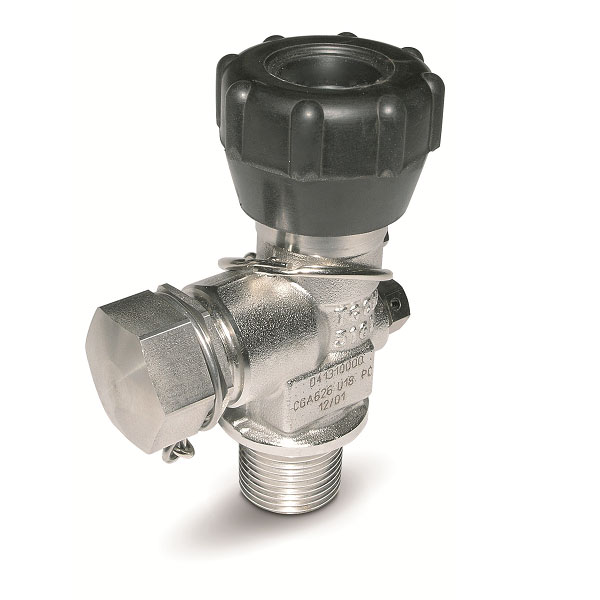
Nitric oxide cylinder valves

  • Packed cylinder valve
    NO gas mixture
    RPV
  • Tied diaphragm
    NO gas mixtures
    RPV

What Are Medical Gas Cylinder Valves?

Medical gas cylinder valves are devices mounted directly on compressed gas cylinders to control the opening, closing, and safe release of medical gases.

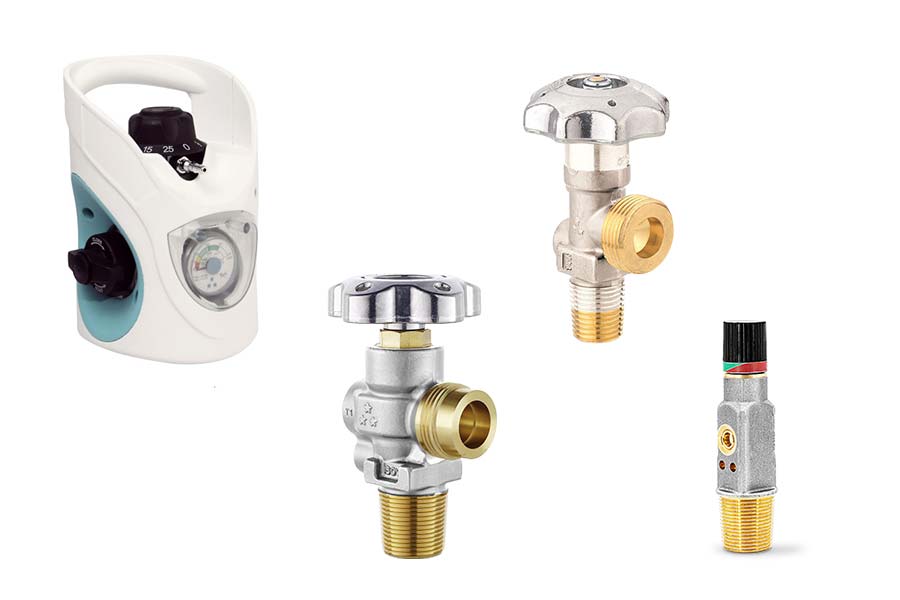
Cylinder valves are available in several configurations. Standard handwheel or key-operated valves suit fixed hospital installations. Pin index valves are specified for small, portable cylinders. Valves with residual pressure device (RPV) maintain a minimum pressure inside the cylinder to protect gas purity.

The materials used for manufacturing cylinder valves depend on the type of gas and the final application. Common materials include brass, chrome-plated brass, and stainless steel, each selected for its compatibility with specific medical gases, corrosion resistance, and required level of cleanliness.

What Are Medical Gas Cylinder Valves?
What Types of Medical Gases Are Used?

What Types of Medical Gases Are Used?

Medical gas cylinders are filled with a range of gases used across clinical, emergency, and homecare settings. Gas type determines the valve configuration, outlet connection standard, and material requirements: Oxygen: the most widely used medical gas, for oxygen therapy, anaesthesia, and emergency oxygen delivery. Cylinder valve connections include CGA 540 for high-pressure oxygen cylinders and pin index configurations for portable cylinders.

  • Medical Air: a controlled mixture of nitrogen and oxygen used in anaesthesia machines and ventilator support.
  • Nitric oxide: used in iNO therapy to treat pulmonary hypertension and improve oxygenation, particularly in neonatal and critical care.
  • Nitrous Oxide: used for pain management and anaesthesia, with gas-specific connections to prevent cross-connection with oxygen systems.
  • Carbon Dioxide: used in minimally invasive surgery and as a component in specialty medical gas mixtures.
  • Heliox: a helium-oxygen mixture used in respiratory therapy for conditions including asthma and COPD.
  • Medical Gas Mixtures: specialty blends used in anaesthesia, calibration, and breathing therapy applications.

Each gas type requires a dedicated valve with a gas-specific outlet, material compatibility for oxygen service where applicable, and compliance with connection standards including CGA, DIN 477, and pin index configurations.

How Do Pressure Regulators Work with Medical Gas Cylinder Valves?

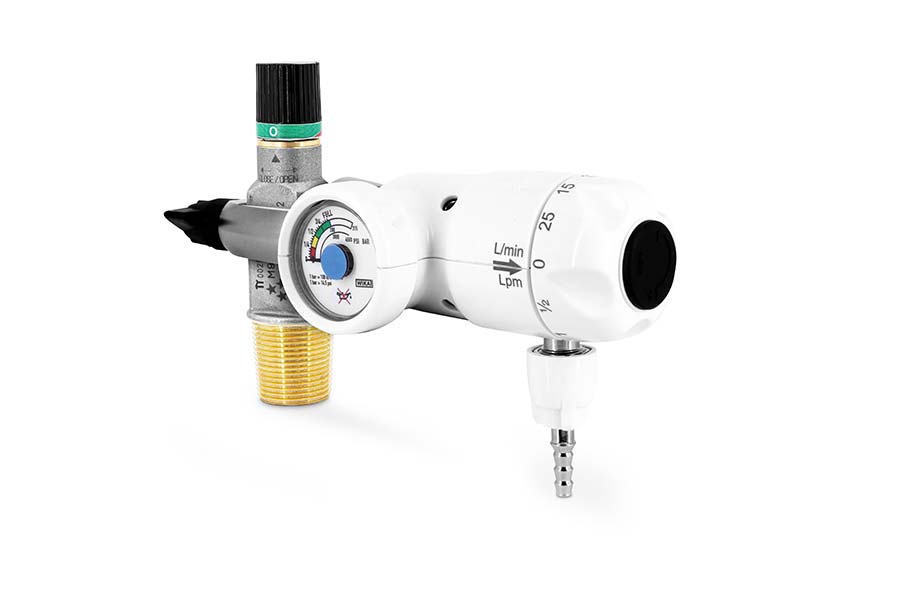
Medical pressure regulators work in combination with cylinder valves to reduce high inlet pressure to a safe, controlled output pressure suitable for medical devices and patient care. Inlet pressure from a full compressed gas cylinder can reach 300 bar depending on the gas type and cylinder. The regulator reduces this to a stable delivery pressure matched to the requirements of the connected equipment.

How Do Pressure Regulators Work with Medical Gas Cylinder Valves?

Compliance & Certifications - Designed to Meet Global Medical Standards

Rotarex medical gas cylinder valves are designed and manufactured in compliance with the applicable international and European standards governing cylinder valves and compressed gas equipment:

  • EN ISO 10297: Cylinder valves for gas cylinders, specification and type testing
  • EN ISO 15996: Residual pressure valves, requirements and testing
  • EU MDR (Medical Device Regulation): European market compliance for medical devices
  • TPED Directive: Transport pressure equipment directive for cylinder valves
  • DIN 477 / CGA: Connection standards for medical gas cylinder valve outlets
  • EN 849 / EN ISO 407: Pin index safety systems for small medical gas cylinders
What Is the Flow Rate of Medical Gases?

What Is the Flow Rate of Medical Gases?

Flow rate is the volume of gas delivered per unit of time, typically measured in liters per minute (LPM). The flow rate of medical gases depends on the valve design, the outlet pressure setting, and the requirements of the connected medical device.

Medical gas cylinder valves are designed to support precise, stable gas flow across varying inlet pressures throughout the service life of the cylinder. For oxygen therapy, typical flow rates range from 1 to 15 LPM depending on the patient's clinical needs.

Anaesthesia and ICU applications require tighter flow rate control and consistent output pressure. Emergency and portable oxygen supply systems demand fast, reliable gas delivery without flow interruption.

Rotarex cylinder valves maintain stable gas flow from a full cylinder to near-empty, ensuring that delivery to the patient remains predictable at all times, regardless of remaining cylinder pressure.

Main Types of Medical Gas Cylinder Valves

Standard cylinder valves are the most widely used configuration for medical gas cylinders in hospitals, laboratories, and industrial healthcare applications. These valves typically feature a handwheel or key-operated mechanism that allows controlled opening and closing of the gas flow.

Pin index valves are specifically designed for small, portable medical gas cylinders. They incorporate a safety system known as the Pin Index Safety System (PISS), which prevents the connection of the wrong gas regulator to a cylinder.

A residual pressure valve maintains a minimum positive pressure when the cylinder approaches empty, protecting gas purity and preventing atmospheric air from entering. A pressure relief valve in the downstream circuit provides overpressure protection.

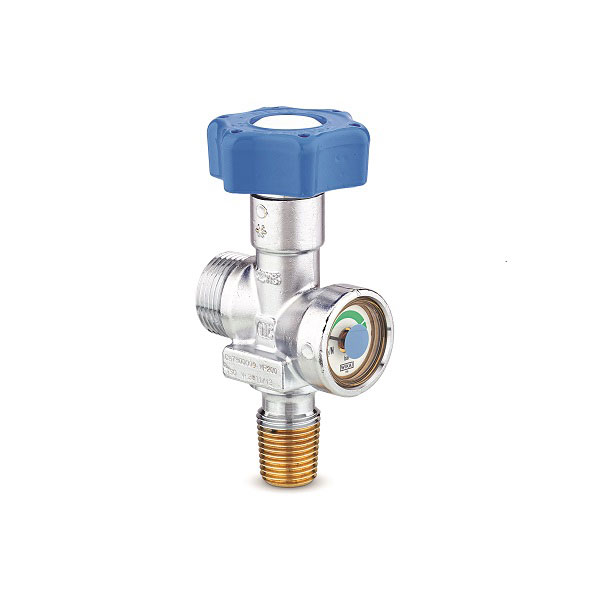
Valves with integrated pressure regulator (VIPR) combine both functions in a single assembly. This eliminates the need for a separately connected external regulator and reduces the total number of connection points, a critical safety advantage in medical gas systems. For applications requiring the highest delivery precision, two-stage regulators provide more stable output pressure across the full range of cylinder pressures, from a full charge to near-empty.

Main Types of Medical Gas Cylinder Valves

How to Choose a Medical Gas Cylinder Valve

Choosing the right medical gas cylinder valve requires matching the valve to the gas type, cylinder size, outlet connection standard, and intended clinical application. Key selection criteria include:

  • Gas compatibility: each valve is designed and coded for a specific gas: oxygen, medical air, nitrous oxide, carbon dioxide, or Heliox. Valve selection must match the gas in the cylinder.
  • Connection standard: CGA 540 for high-pressure oxygen in North America, DIN 477 for European standards, pin index for small portable cylinders.
  • Outlet configuration: vertical outlet or lateral outlet depending on cylinder orientation and connected equipment.
  • Residual pressure protection: residual pressure valves (RPV) are specified where gas purity and cylinder protection are priorities.
  • Integrated regulation: VIPR solutions are chosen where eliminating a separate pressure regulator reduces assembly complexity and the risk of leaks.
  • Material requirements: brass, chrome plated brass or stainless steel & aluminium handwheel are specified for medical use.
  • Regulatory compliance: valves must meet the certified standard applicable to the target market: EU MDR and EN ISO for Europe, CGA standards for North America.

Rotarex specialists support valve selection for both standard and custom requirements across all medical gas applications. Contact our team to discuss your specific needs.

Medical Applications — Where Medical Gas Cylinder Valves Are Used

Medical Applications - Where Medical Gas Cylinder Valves Are Used

Medical gas cylinder valves are used across the full spectrum of healthcare and emergency settings:

  • Oxygen therapy in hospitals, clinics, and homecare settings
  • Emergency and ambulance services for portable oxygen supply
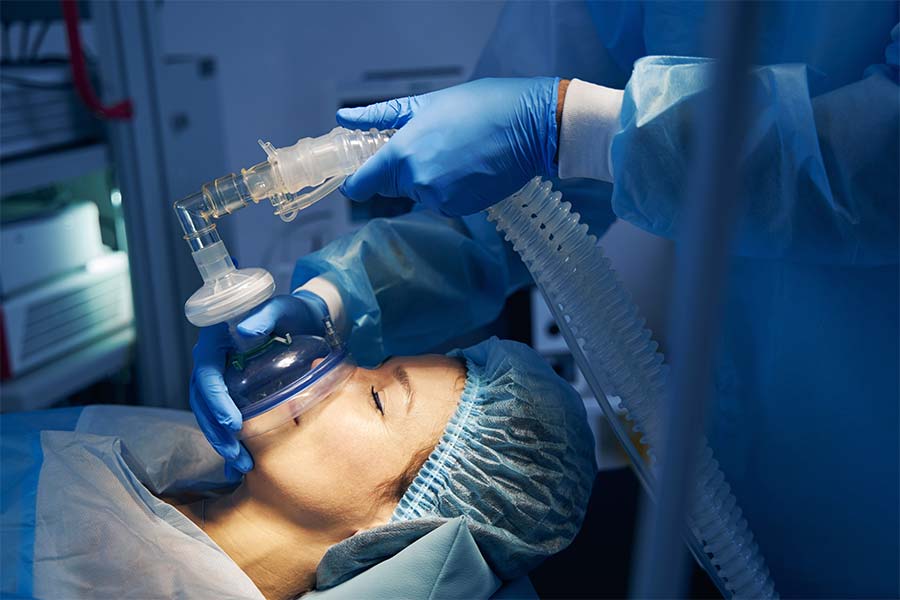
  • Anaesthesia gas supply in surgical environments
  • Intensive care units (ICU) and ventilator support
  • MRI environments, where non-magnetic and MRI-compatible materials are required to ensure safe operation
  • Respiratory care using Heliox and medical air
  • Nitrous oxide supply for pain management in clinical and dental settings
  • Medical air distribution in hospitals and industrial healthcare facilities

Each valve undergoes full lifecycle testing, material certification, and traceability documentation. Materials in contact with the gas path are selected for compatibility with oxygen service.

Why Rotarex Medical Gas Cylinder Valves Are Trusted by Healthcare Facilities Worldwide

Rotarex is a specialist manufacturer of precision cylinder valves and pressure control equipment for medical, industrial, and specialty gas applications.

Healthcare professionals, medical gas distributors, and cylinder manufacturers worldwide rely on Rotarex products for safety, durability, and compliance performance.

  • Precision gas flow control for stable, reliable delivery across all cylinder pressures
  • Durable brass and stainless steel construction for long service life in demanding clinical environments
  • Residual pressure device options for cylinder protection and gas purity maintenance
  • Full range of connection standards: CGA 540, DIN 477, pin index
  • VIPR solutions available for oxygen, medical air, nitrous oxide, Heliox, and medical gas mixtures
  • Designed for safe and efficient cylinder switching in emergency and clinical settings
  • Full compliance with EN ISO 10297, EN ISO 15996, EU MDR, and TPED standards
  • Complete traceability, material certification, and documentation for regulatory submissions
  • Global support through regional offices in North America, Europe, and Latin America
Why Rotarex Medical Gas Cylinder Valves Are Trusted by Healthcare Facilities Worldwide
Medical Gas Cylinder Valves - FAQ
What is the flow rate of medical gases from a cylinder valve?

Flow rate depends on the valve design, outlet pressure setting of the , and the requirements of the connected device.

Medical gas cylinder valves support flow rates suited to the intended application, from low-flow oxygen therapy at 1–15 LPM LPM to higher rates required for ICU and anaesthesia.

Rotarex valves are designed to maintain stable gas flow throughout the full service life of the cylinder, from a full charge to near-empty.

What types of medical gases are used with cylinder valves?

Cylinder valves are designed for oxygen, medical air, nitrous oxide, carbon dioxide, Heliox, and medical gas mixtures. Each gas type uses a dedicated valve with a gas-specific outlet — CGA 540 for high-pressure oxygen, DIN 477 or pin index for other gases and portable cylinders.

Gas-specific coding makes incorrect connections physically impossible, ensuring patient safety in all clinical situations.

What are the safety standards for medical gas cylinder valves?

Medical gas cylinder valves must comply with EN ISO 10297 (cylinder valves — specification and type testing), EN ISO 15996 (residual pressure valves), and EN ISO 407 (pin index safety systems). Products for the European market must additionally comply with EU MDR and the TPED Directive.

In North America, CGA standards apply. Rotarex valves are manufactured and tested to meet these certified standard requirements, with full traceability documentation available for regulatory submissions.

How do I choose a medical gas valve for oxygen CGA 540?

Choosing a valve for CGA 540 oxygen cylinders requires confirming the cylinder pressure rating, verifying CGA 540 outlet compatibility, specifying residual pressure valve protection if required, and confirming compliance with EN ISO 10297 or applicable CGA standards.

Rotarex offers oxygen cylinder valves in CGA and DIN 477 configurations, with RPV options and VIPR integration available. Contact the Rotarex team to discuss your valve selection requirements.

Connect with an Expert
Go up
×
Loading