

Print

Download datasheet

Compressed Gas Tube Trailers for Safe High-Pressure Transport

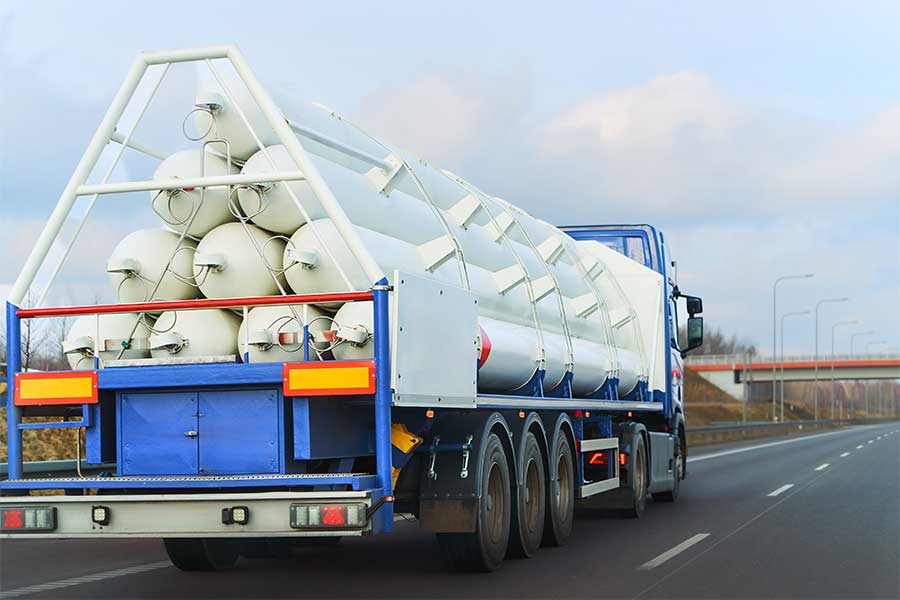
Compressed gas tube trailers are transportable, high-capacity solutions designed to safely move gases under high pressure in bulk quantities. They are widely used to deliver hydrogen, oxygen, nitrogen, helium, CNG, and specialty gases across industrial, energy, and mobility sectors, depending on application requirements and distribution models.

Equipped with certified high-pressure tanks and precision-engineered tubes, these trailers ensure maximum capacity, gas purity, and full compliance with international regulations. Their flexible design enables reliable service over short and long distances, providing a safe, cost-effective, and efficient way to supply large volumes of compressed gas to customers worldwide.

Product Listing

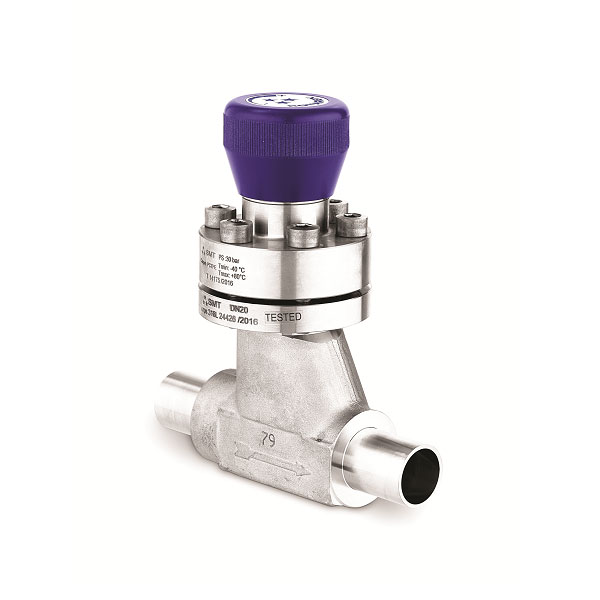
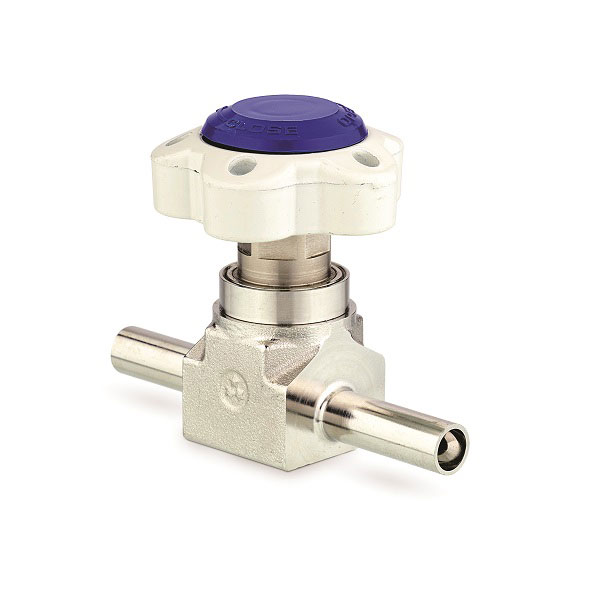
  • Bellows valve
    Low or high pressure
    -40°C to + 120°C (ambient)
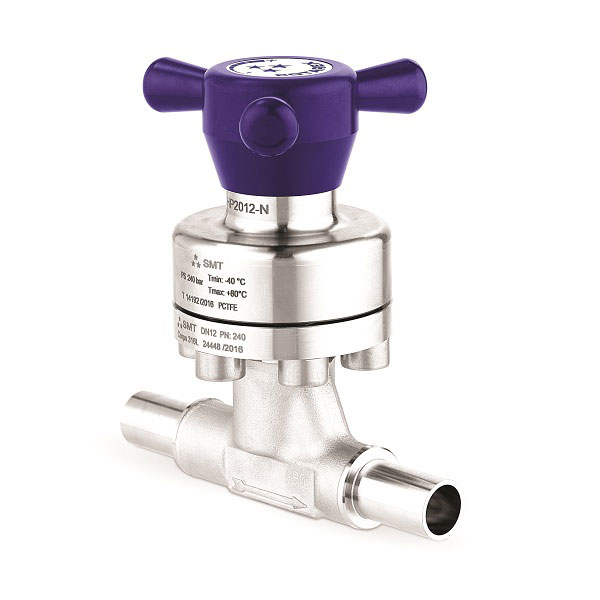
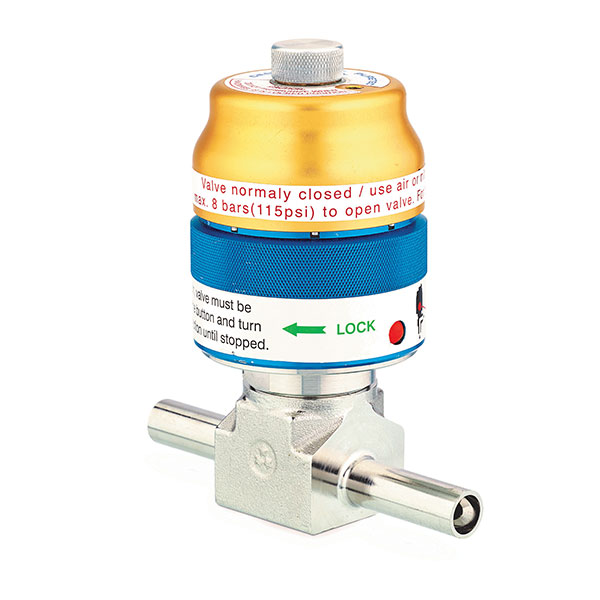
  • Bellows valve
    High pressure
    -40°C to + 120°C (ambient)
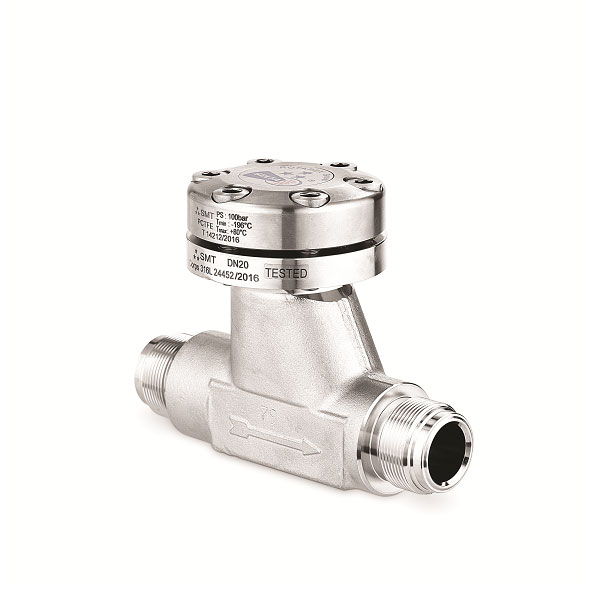
  • Check valves
    Low to high pressure
    -196°C to +250°C (cryogenic)
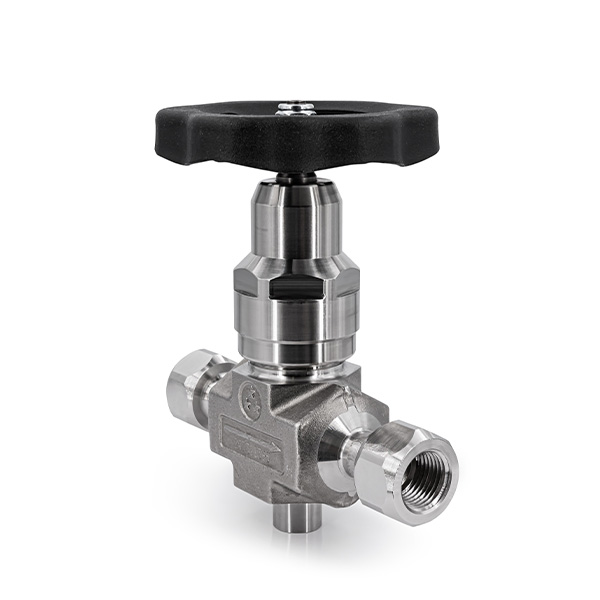
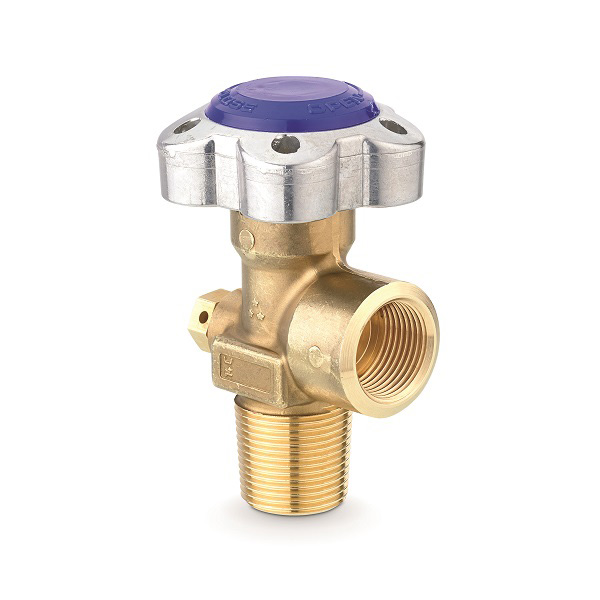
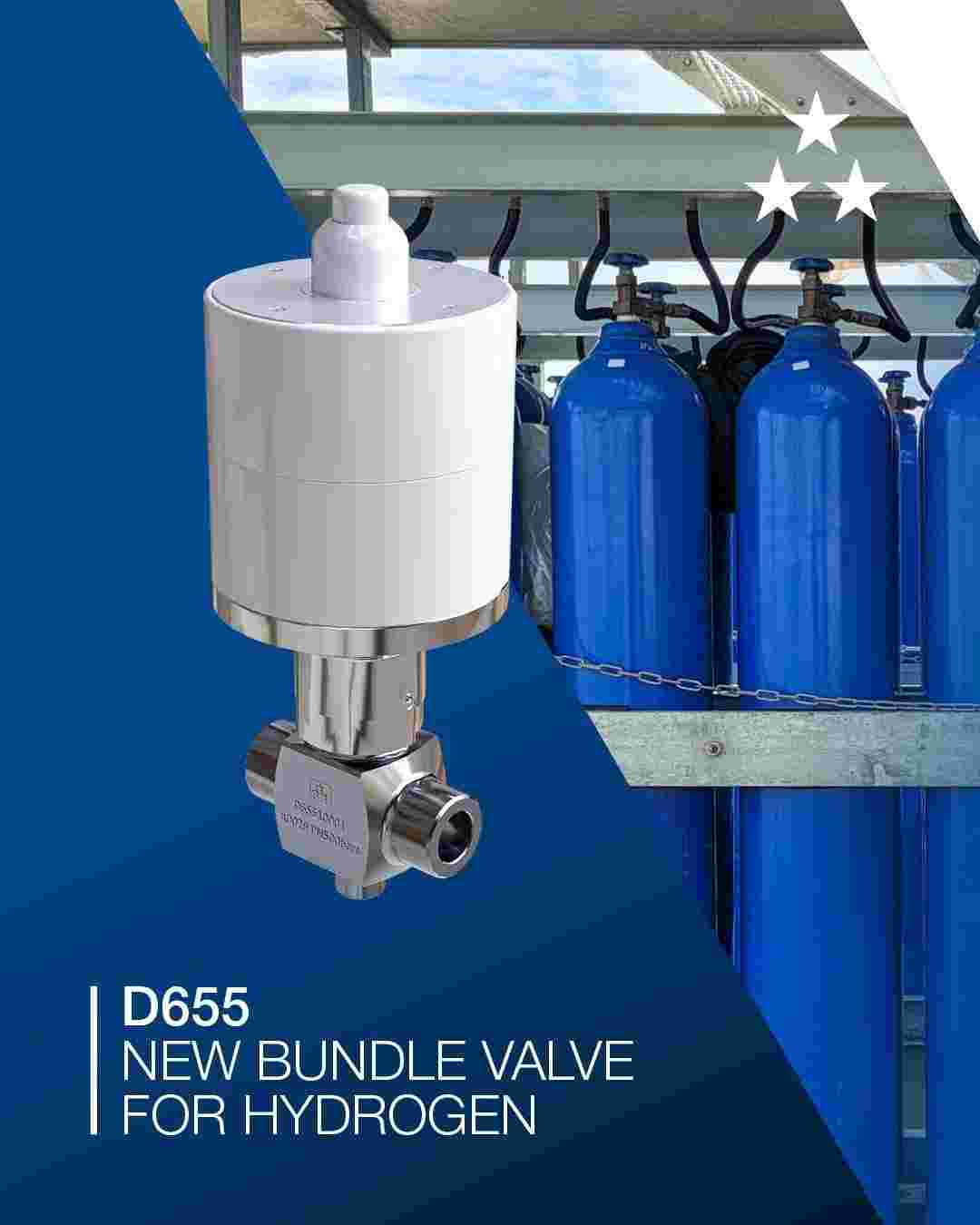
  • Bundle Valve
    Up to 500 bar
    Manual actuation
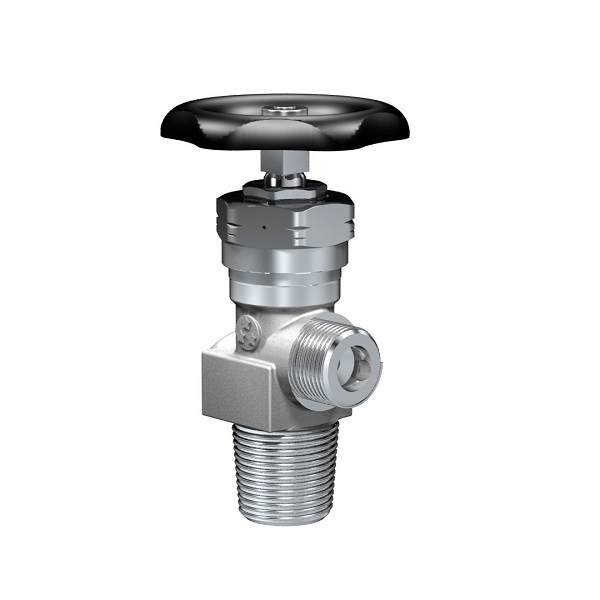
  • Bundle Valve
    Up to 500 bar
    Pneumatic actuation
  • Hydrogen, methane and acetylene applications
    O-ring
    12mm orifice
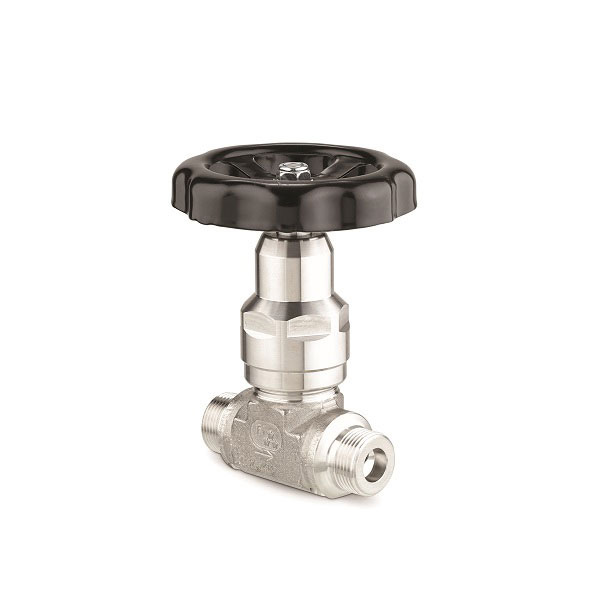
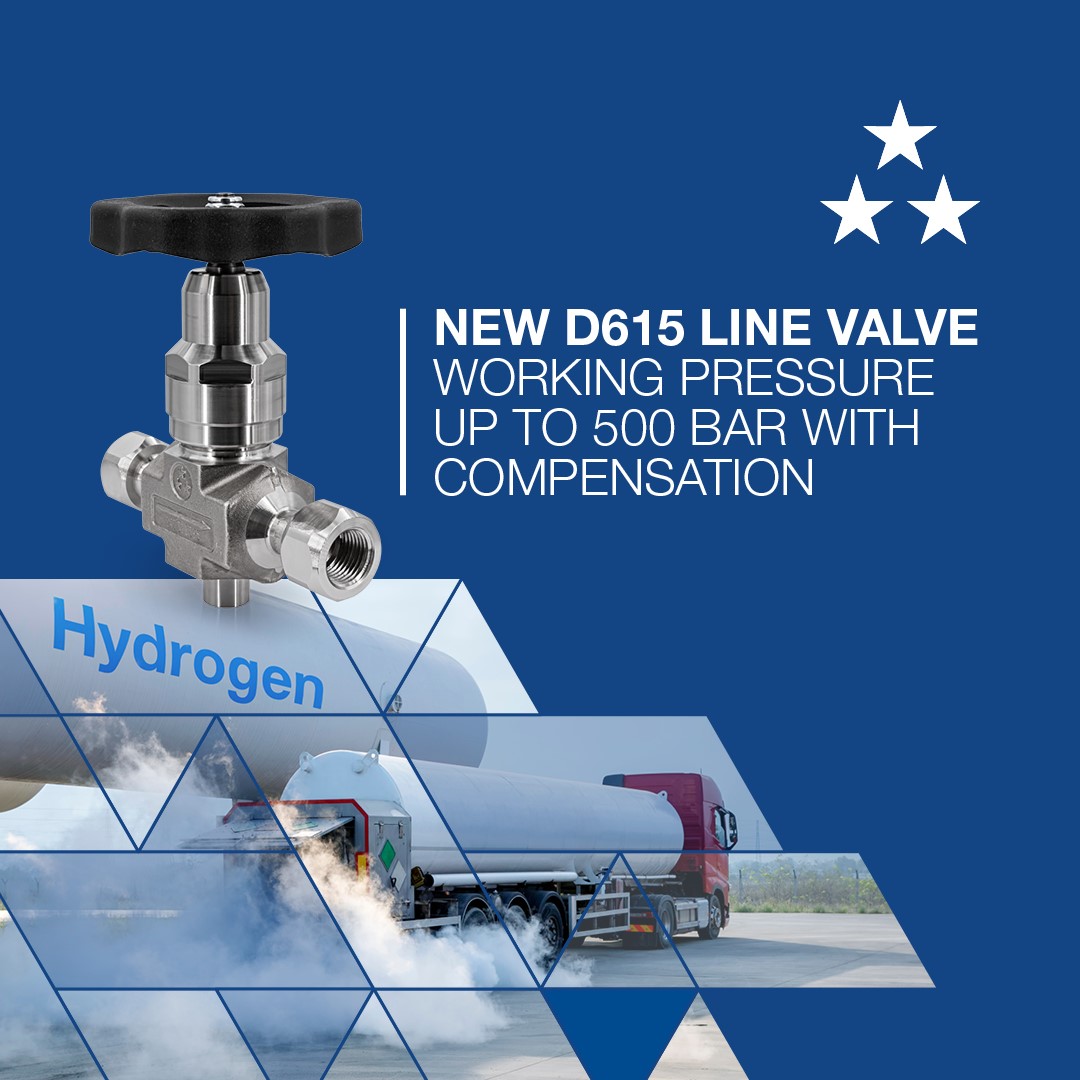
  • Manual line valve
    Soft Seat
    4mm orifice
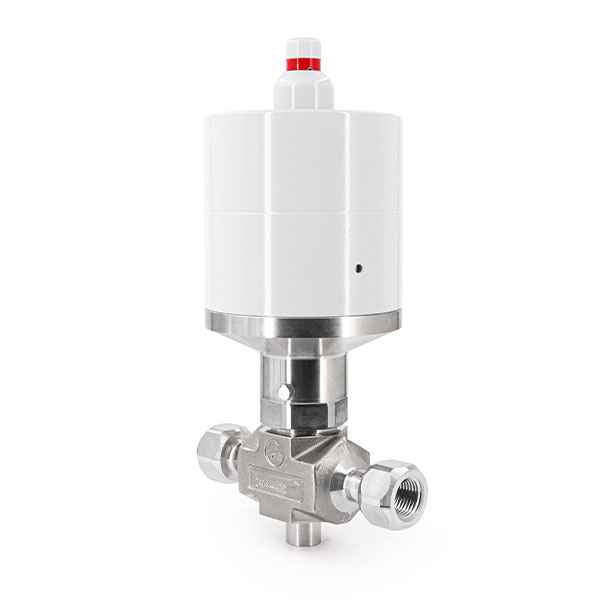
  • Pneumatic line valve
    Soft knife edge Seat
    4mm orifice
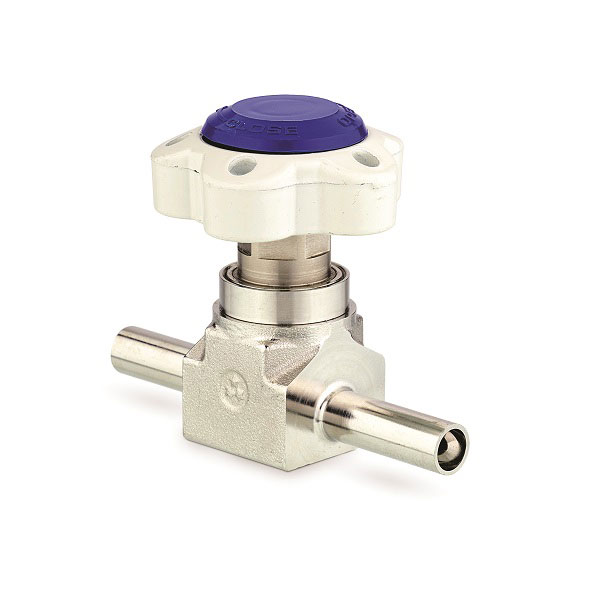
  • Manual line valve
    Soft Seat
    6mm orifice
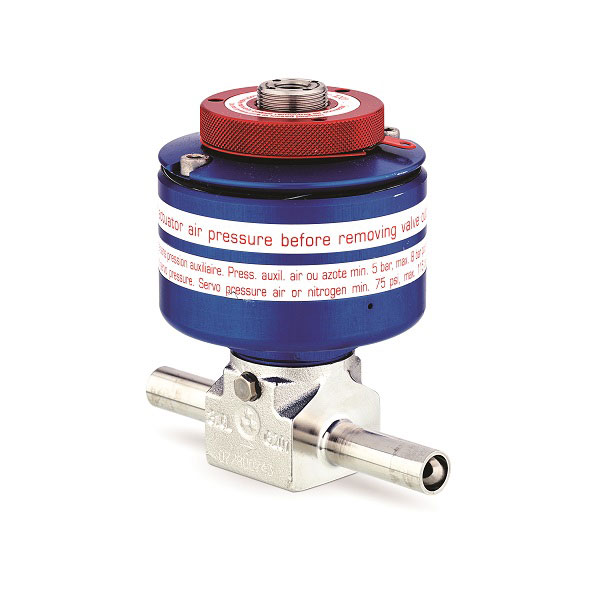
  • Oleo-pneumatic line valve
    Soft Seat
    6mm orifice

The Role of Compressed Gas Tube Trailers in Modern Industry

Modern industries typically rely on compressed gas tube trailers as a proven technology to support a reliable gas supply chain. Their role is to carry large volumes of gas at high pressure through a controlled and safe transport process, without the need for liquefaction or complex cryogenic systems.

By avoiding fixed pipelines and heavy on-site infrastructure, tube trailers provide exceptional flexibility. They can be rapidly deployed, reach remote or temporary locations, and adapt to a wide range of industrial applications, including hydrogen mobility, backup energy supply, medical gas distribution, and remote operations.
The Role of Compressed Gas Tube Trailers in Modern Industry
Anatomy of a Compressed Gas Tube Trailer

Anatomy of a Compressed Gas Tube Trailer

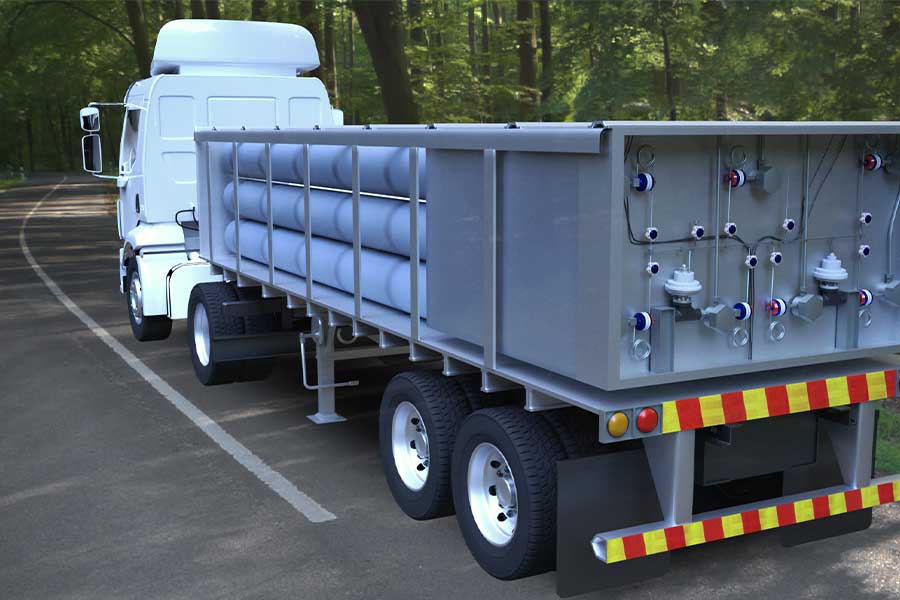
A compressed gas tube trailer is built around several critical main components:

  • High-strength steel or composite pressure cylinders
  • Reinforced skid or chassis designed for mounting on a truck or trailer, ensuring mechanical stability
  • Precision manifolds and certified valves (individual valve per tube)
  • Safety devices such as check valves and pressure relief devices (PRD)

Jumbo and super-jumbo configurations maximize internal capacity, optimizing logistics efficiency while maintaining the highest safety standards for pressurized gas handling.

Gas Portfolio: What Can Be Transported?

Tube trailers are suitable for a wide portfolio of gases, each with specific technical constraints:

  • Hydrogen – Mobility, refueling stations, industrial processes
    Limits: strict purity, embrittlement-resistant materials, leak control
  • CNG (Compressed Natural Gas) – Energy and mobility
    Limits: very high working pressure, weight optimization
  • Nitrogen – Inerting, manufacturing, food and pharma
    Limits: pressure class and discharge rate
  • Helium – Medical imaging, aerospace, research
    Limits: leakage control due to small molecular size
  • Specialty gases – Electronics, laboratories, high-precision welding applications
    Limits: contamination control and material compatibility

Each gas requires tailored high-pressure tanks, regulators, valve configurations and monitoring solutions.

Gas Portfolio: What Can Be Transported?

Choosing the Right Tube Trailer for Your Needs

The optimal trailer configuration depends on:
  • Type of gas and required volume
  • Frequency of use: transport only or combined transport & storage
  • Desired options: digital monitoring, upgraded materials, valve layouts
Need guidance? Request a quote and our specialists will help you choose the ideal configuration.

Contact us

Safety & Compliance: Beyond Pressure Resistance

Compressed gas tube trailers comply with international regulations such as DOT, ADR and ISO 11120. The tubes are classified as critical pressure equipment and are engineered to withstand pressures well above normal operating conditions, ensuring robust safety margins for the transport and storage of pressurized gases.

Safety is based on a multilayered design philosophy combining mechanical strength, redundancy and active protection. Each tube is treated as an independent high-pressure vessel, limiting risk and improving containment under all operating conditions.

Key safety features include:

  • Individual valves per tube to limit gas release and create multiple containment barriers
  • Check valves and burst discs (PRD) for effective overpressure and reverse-flow protection
  • Hydrostatic testing, fatigue analysis and periodic recertification throughout the equipment lifecycle
  • Optional digital monitoring systems for real-time traceability and operational control

This comprehensive approach ensures maximum safety across the entire transport and storage lifecycle, even for demanding applications involving hydrogen and other high-pressure gases.

Future Trends: Hydrogen Economy and Lightweight Materials

As the hydrogen economy accelerates, logistics is increasingly becoming the bottleneck, often even before production capacity. Electrolyzers, refueling stations and industrial users are widely dispersed, operate at variable loads, and frequently lack access to pipeline infrastructure. In this context, compressed gas tube trailers play a critical role by ensuring frequent, reliable and flexible transport of hydrogen wherever it is needed.

Innovation in this field is driven by lightweight composite materials, improved fatigue resistance and advanced digital traceability systems. These developments increase payload, reduce emissions per delivered kilogram of gas, and enhance operational visibility. Above all, tube trailers offer unmatched ease of access and deployment: they require no fixed infrastructure on site and can rapidly connect supply and demand. This flexibility makes them the fastest and most effective solution for hydrogen distribution, particularly during early market phases and pilot mobility projects, supporting the transition toward low-carbon energy systems.

FAQ: Practical Questions About Compressed Gas Tube Trailers
What is the pressure in a compressed gas tube trailer?

Pressure depends on the gas and trailer type, but most operate between 200 and 300 bar, while hydrogen and CNG super-jumbo units can reach even higher working pressures. These levels ensure efficient transport of large gas volumes while maintaining strict safety margins.

How do tube trailers work?

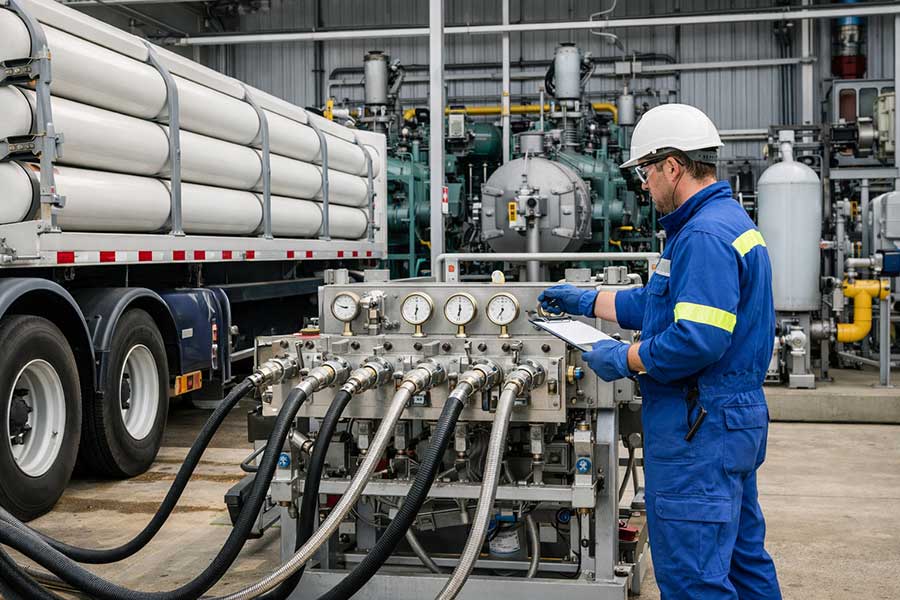
Tube trailers store gas in high-pressure tubes mounted on a road trailer. The gas is compressed (not liquefied), transported to the delivery site, and then safely released through pressure regulation systems to meet customer requirements.

Can tube trailers serve as temporary on-site storage?

Yes. Beyond transport, tube trailers can act as mobile storage units for industrial sites, hydrogen refueling stations or emergency supply needs. Their large capacity and certified design make them a practical alternative to installing permanent tanks.

Are tube trailers safe for transporting hydrogen?

Absolutely. Hydrogen trailers are built using materials and components tested for embrittlement resistance, leak prevention and purity control. Combined with international certifications, they offer a fully secure solution for hydrogen transport in mobility or industrial applications.

How do they reduce logistics costs compared to cylinders?

Tube trailers drastically cut handling time and transport frequency by delivering much larger volumes in a single trip. This reduces cylinder management, frees storage space and optimizes operational workflows: resulting in lower overall logistics costs.

Connect with an Expert
Go up
×
Loading