Argon Regulators: Reliable Gas Flow Control for Welding Applications

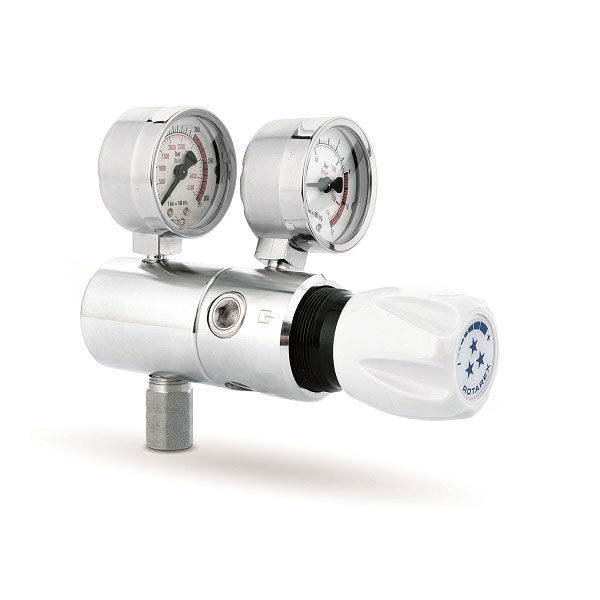
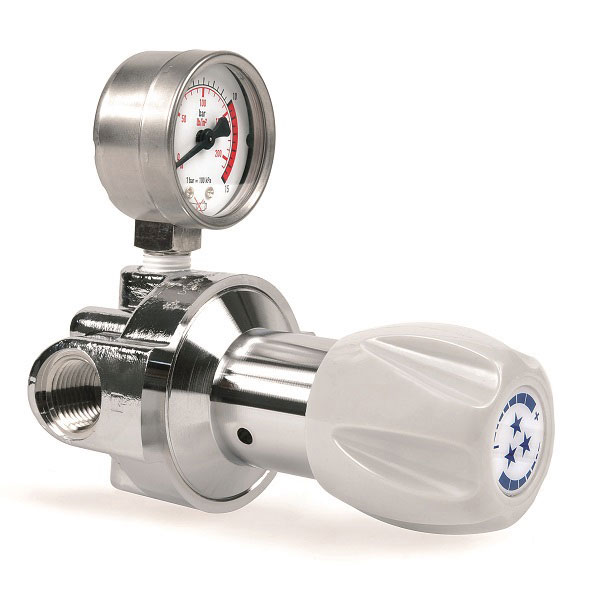
An argon pressure regulator is used to control and reduce the supply pressure of argon gas in applications where this gas is required. Argon is stored in high-pressure cylinders, typically at 200 or 300 bar, which must be reduced to a safe and stable working pressure before the gas can be used. A reliable and robust pressure regulator is therefore essential to ensure safe operation, precise gas control and consistent equipment performance.

Argon is used in many industrial and technical applications, such as welding and cutting processes, metallurgy, additive manufacturing and a wide range of laboratory applications where controlled or inert atmospheres are required. In all these environments, precise pressure regulation is essential to maintain process stability, protect equipment and achieve high-quality results.

Discover our complete range of argon pressure regulators, designed to be durable, accurate and easy to use and find the model that best suits your specific configuration and needs.

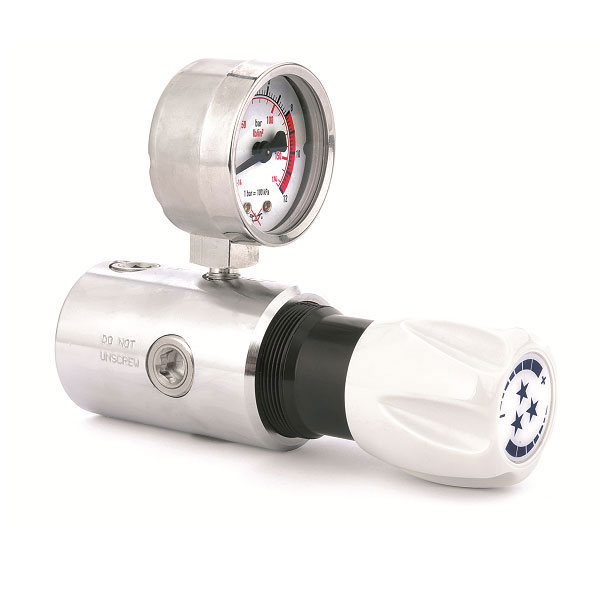
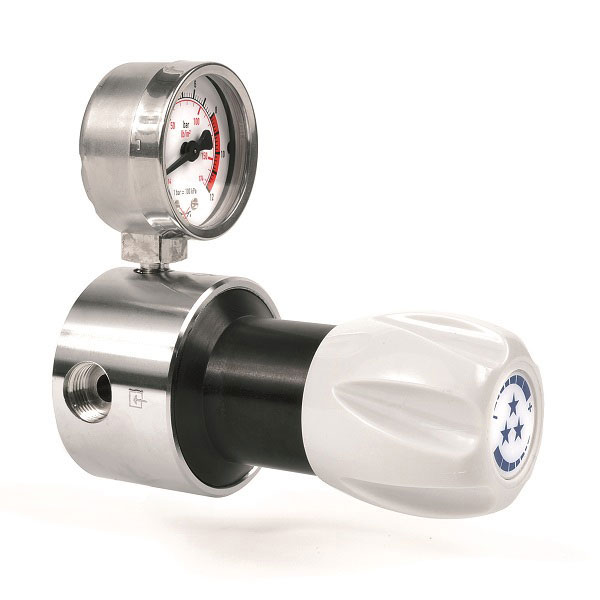
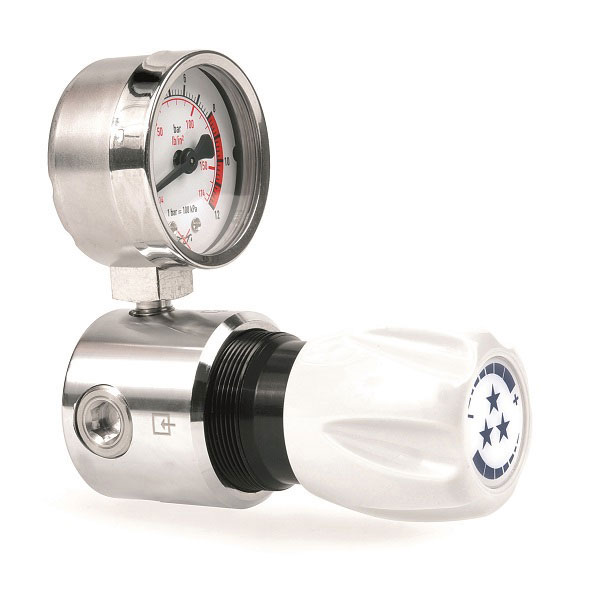
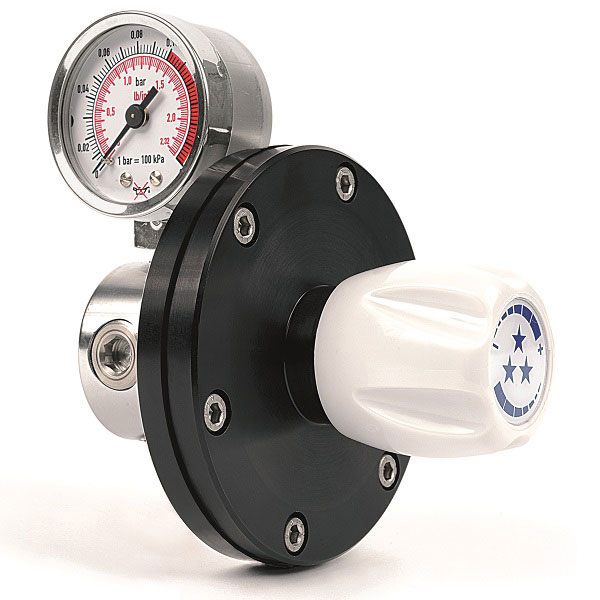
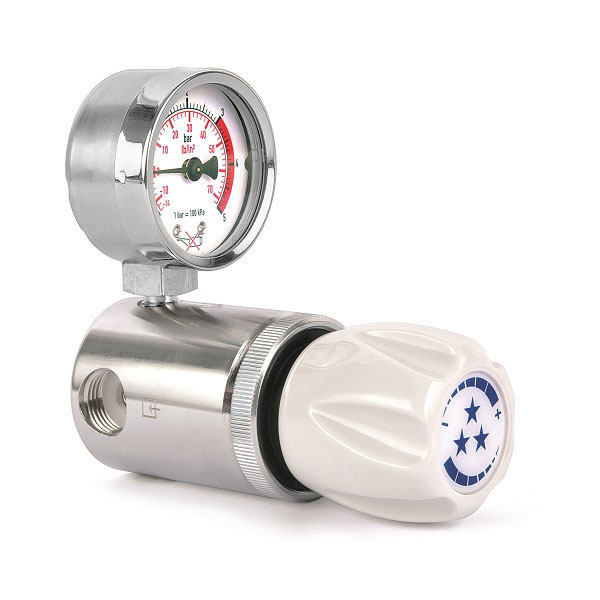
Argon Pressure Regulators

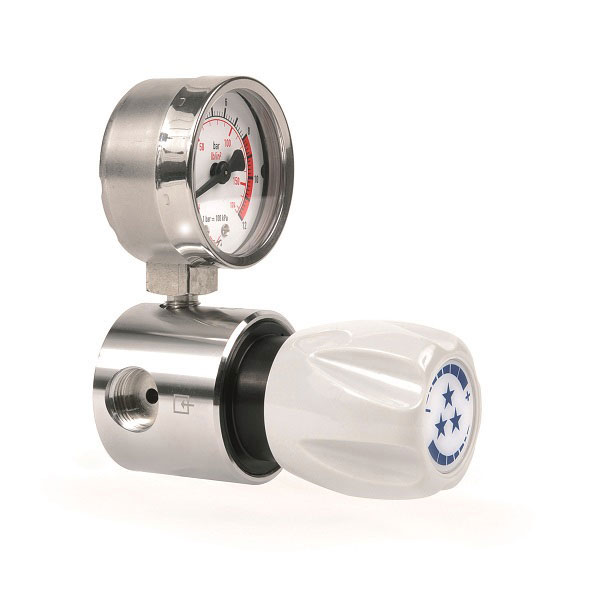
  • High pressure regulator
    Single stage
    Diaphragm tech. + Cartridge
  • Point of use
    Bellow technology
  • High pressure regulator
    Single stage
    Piston technology
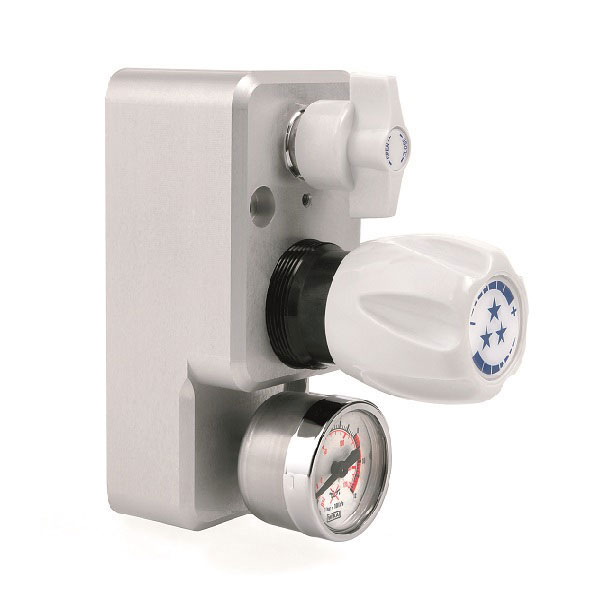
  • Point of use
    Modular
    Bellow technology
  • High pressure regulator
    Single stage
    Diaphragm technology + BV
  • High pressure regulator
    Dual stage
    Diaphragm tech. + Cartridge
  • Point of use
    Integrated
    Diaphragm technology
  • High pressure regulator
    Dual stage
    Piston/Bellow technology
  • Point of use
    Integrated
    Bellow technology
  • High pressure regulator
    Dual stage
    Piston/Diaphragm technology
  • Low pressure regulator
    Single stage
    Diaphragm technology + BV
  • High flow low pressure regulator
    Single stage
    Diaphragm technology + BV
  • High pressure regulator
    Single stage
    Diaphragm tech. + Cartridge
  • Low pressure regulator
    Single stage
    Bellow technology
  • Low pressure regulator
    Single stage
    Diaphragm technology
  • Low pressure regulator
    Single stage
    Diaphragm technology
  • Low pressure regulator
    Single stage
    Diaphragm technology + BV

What Does an Argon Regulator Do?

Argon is stored in the cylinder at high pressure (usually 200 or 300 bar). When the cylinder valve is opened, the gas enters the pressure regulator through the inlet connection at this high pressure. Inside the pressure regulator, the pressure is reduced via a gas control mechanism to stabilise the pressure in order to deliver a controlled outlet pressure at the preset level. This regulation allows the equipment to operate safely and reliably while maintaining precision in gas supply.

A stable outlet pressure is essential to maintain quality and consistency in the process, whether to guarantee a constant flame during welding and cutting operations or to ensure reliable and repeatable results during laboratory tests.

What Does an Argon Regulator Do?
Single-Stage vs Dual-Stage Argon Regulators

Single-Stage vs Dual-Stage Argon Regulators

The choice of a single-stage or double-stage regulator depends on the end use and mainly on the stability required and the conditions of use.

A single-stage regulator reduces the pressure in a single step. The outlet pressure may vary slightly as the pressure in the cylinder decreases. They are suitable for applications such as welding and cutting, where very small variations will have no effect.

Two-stage regulators reduce the pressure in two successive stages, making the outlet pressure extremely stable. This is necessary for laboratory applications where even the slightest variation can distort the process. For applications requiring the highest level of precision, we offer a dedicated range of high-precision regulators.

Where Are Argon Pressure Regulators Used?

Industrial gases such as argon require controlled pressure regulation before they can be used safely and effectively. Argon pressure regulators are therefore used wherever argon gas must be delivered at a controlled and stable pressure. Their versatility makes them suitable for a wide range of professional and industrial applications.

TIG and MIG Welding

In TIG and MIG welding, argon regulators ensure that shielding gas is supplied at the correct working pressure and flow rate. This provides precise control of the welding process, while a stable and consistent gas supply helps prevent oxidation of the weld pool. These benefits offer additional arc stability and contribute to clean, high-quality welds with excellent precision and repeatability.

Industrial Processes

Many industrial processes rely on argon as an inert gas to protect materials or equipment from oxidation and contamination. Argon regulators provide accurate pressure control and stable gas flow, ensuring optimal gas delivery and consistent process performance. Their robust design and proven durability make them suitable for demanding applications such as heat treatment, metal processing, additive manufacturing, and controlled atmospheres.

Laboratories and Analytical Equipment

In laboratory environments, argon is used for analytical instruments, calibration systems, and inert atmospheres. Argon regulators ensure precise and stable gas flow, which is essential for maintaining measurement accuracy, protecting sensitive equipment, and improving overall system performance. This controlled gas delivery also enhances operational efficiency and supports reliable, repeatable results.

Metal Fabrication and Manufacturing

In metal fabrication and manufacturing, argon regulators support a wide range of operations, including welding, cutting, and forming. Reliable pressure regulation improves process efficiency, enhances product quality, and contributes to safe and consistent operation conditions.

Key Safety Features in Argon Regulators

Our argon regulators are built with a robust design to provide safe and reliable gas pressure control for the industry. Discover the key features and benefits that ensure ease of use, durability, and versatility across a wide range of applications, while maintaining consistent performance.

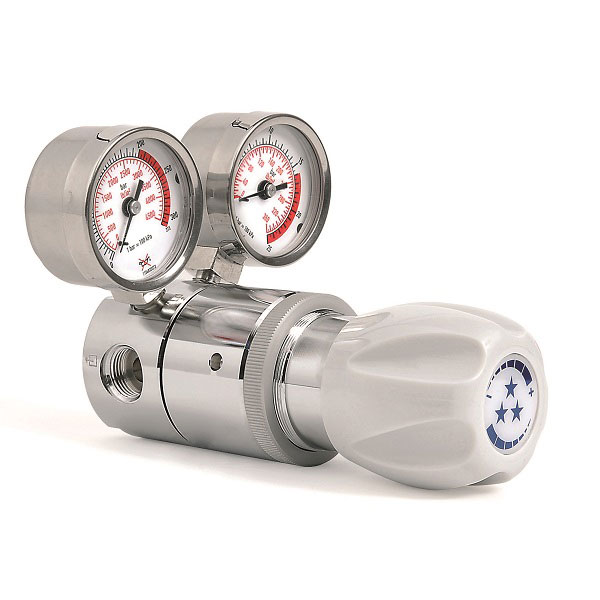
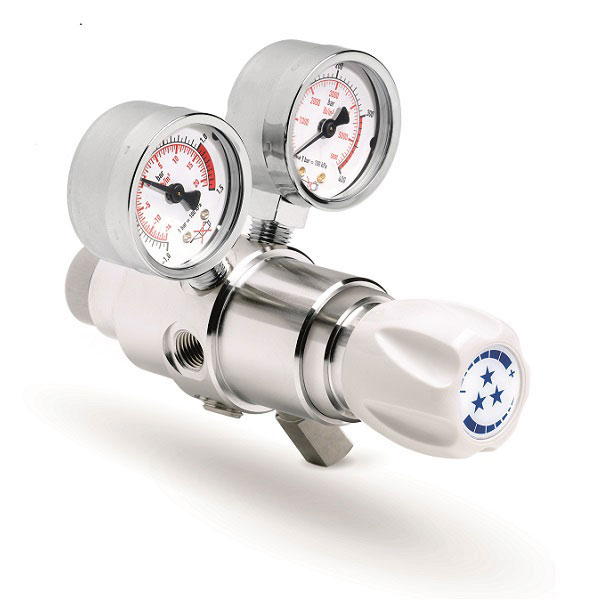
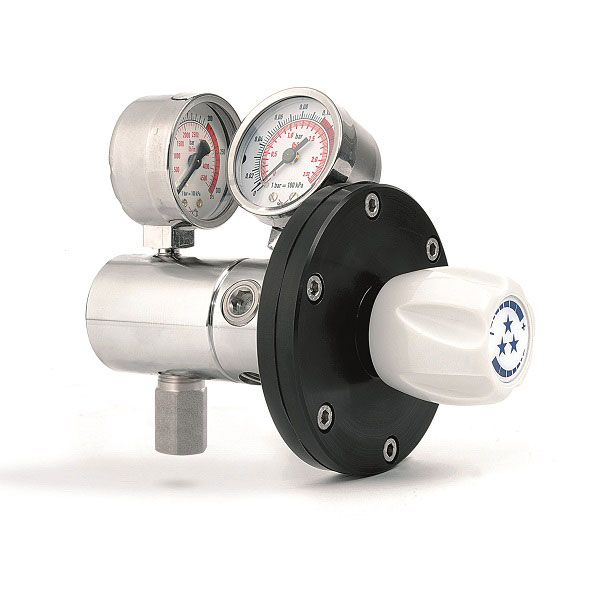
  • Dual pressure gauge
    Two pressure gauges provide clear and immediate indication of both inlet and outlet pressure, ensuring high accuracy when monitoring gas supply and controlling operating conditions.
  • Easy outlet pressure adjustment
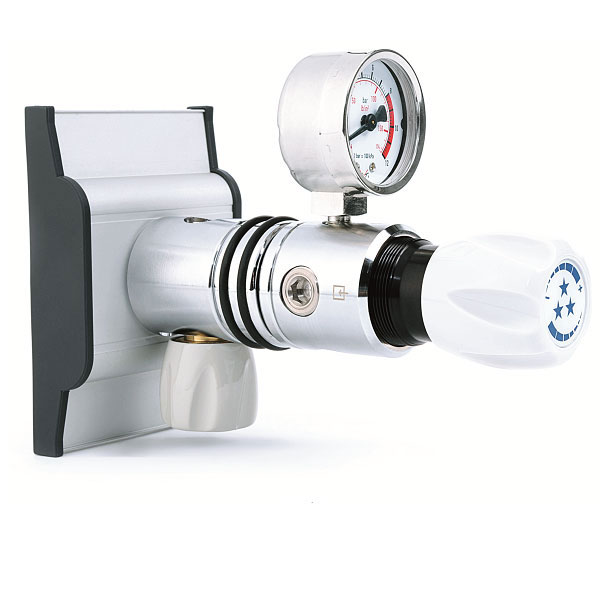
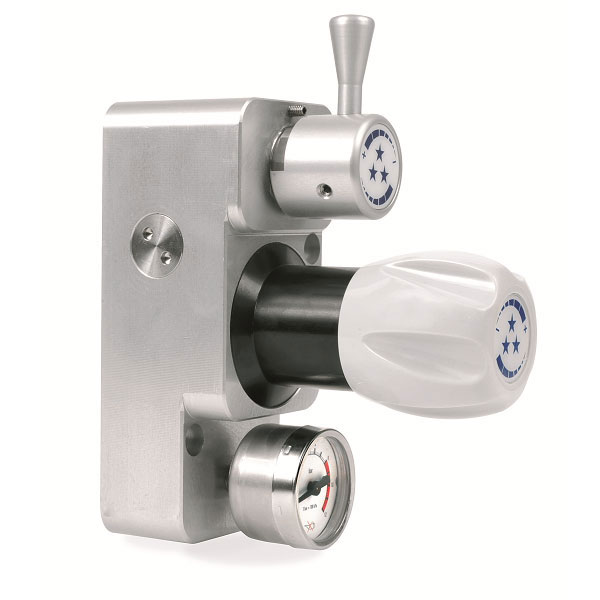
    The adjustment knob enables quick and precise setting of the outlet pressure, ensuring simple operation and repeatable performance.
  • Robust and durable construction
    Designed to withstand intensive industrial use, the regulator offers long-term reliability and excellent durability, even in demanding working environments.
  • Quick and intuitive installation
    The regulator can be mounted rapidly and easily onto the cylinder, allowing immediate and hassle-free operation.
  • High application versatility
    Suitable for a wide range of applications, the regulator adapts easily to different operating requirements while maintaining optimal performance and reliability.
Key Safety Features in Argon Regulators
Why Argon is the Preferred Shielding Gas in TIG Welding

Why Argon is the Preferred Shielding Gas in TIG Welding

In TIG (Tungsten Inert Gas) welding, shielding gas plays an essential role in protecting the weld pool and ensuring stable welding conditions. Argon is widely used to regulate the pressure of shielding gas cylinders to an appropriate working pressure and to provide a constant, controlled flow of gas.

From a physical and chemical point of view, argon is a chemically inert gas, meaning it does not react with molten metal. This inertness prevents oxidation and contamination of the weld pool, ensuring a clean, flawless weld with high mechanical integrity.

Argon also provides excellent arc stability, allowing for easy arc ignition and smooth, controlled welding, even at low intensities. This stability enables precise control of heat input, contributing to optimal welding performance and making argon particularly suitable for welding thin materials and applications requiring high precision and superior weld quality.

Compared to other gases, argon offers clear advantages. Helium produces a hotter arc and deeper penetration, but it is more expensive and more difficult to control. CO₂, being a reactive gas, is not suitable for pure TIG welding as it causes oxidation, spatter and reduced weld quality.

Overall, argon offers the best balance of arc stability, cleanliness, precision and cost-effectiveness, ensuring optimal performance and making it the preferred shielding gas for high-quality TIG welding applications.

How to Choose the Right Argon Regulator for Welding

Here are the points to consider when choosing the regulator that best suits your needs.


  1. Applications: What applications do you need this regulator for? The choice of regulator will depend on whether you need it for welding or for laboratory use, which requires more precise adjustments. For heavy industrial processes, you will probably need a more robust regulator, possibly a two-stage regulator.
  2. Inlet and outlet pressure: Our pressure regulators are designed to withstand inlet pressures of 200 or 300 bar. It is important to choose the right inlet pressure to ensure that the pressure regulator works properly. Each pressure regulator has a certain range of outlet pressure that can be adjusted as needed using an adjustment knob.
  3. Single or double stage: Our range of argon pressure regulators includes single-stage and double-stage pressure regulators. A double-stage pressure regulator is preferred in more critical applications where flow stability and outlet pressure must be excellent.
  4. Gas and connector compatibility: Cylinder connectors vary depending on the country, standards and gas inlet pressure, and it is important to ensure that the connectors are compatible for safe and effective use of the regulator. Not sure about your choice? Contact our team, who will be happy to guide you.
FAQ about Argon Pressure Regulators
What is an argon pressure regulator used for?

An argon pressure regulator is used to control and reduce the pressure of argon gas, ensuring safe and controlled gas flow delivery to equipment in applications where argon is required.

How does an argon regulator work?

Argon is stored in the cylinder at high pressure (200 or 300 bar). When the cylinder valve is opened, the gas flows into the regulator, where an internal pressure control mechanism reduces and stabilizes the inlet pressure to a preset working level. This controlled regulation allows argon to be supplied safely, reliably, and with consistent precision.

What is the difference between single-stage and dual-stage argon regulators?

A single-stage argon regulator reduces the cylinder pressure in one step. As the cylinder pressure decreases, minor variations in outlet pressure may occur, which are acceptable for applications such as welding and cutting.

A dual-stage argon regulator reduces the pressure in two successive stages, providing highly stable outlet pressure. This level of stability is essential for laboratory and analytical applications where even small pressure fluctuations can affect the process.

Are argon regulators suitable for applications other than welding?

Yes. Argon regulators are suitable for many applications beyond welding. Argon is widely used in industrial processes such as cutting, metallurgy, heat treatment, and additive manufacturing (3D printing), where a stable and controlled gas supply is essential. Argon regulators are also commonly used in laboratories to create controlled or inert atmospheres for analytical, research, and testing applications.

Connect with an Expert
×
Loading