High Pressure Gas Regulators

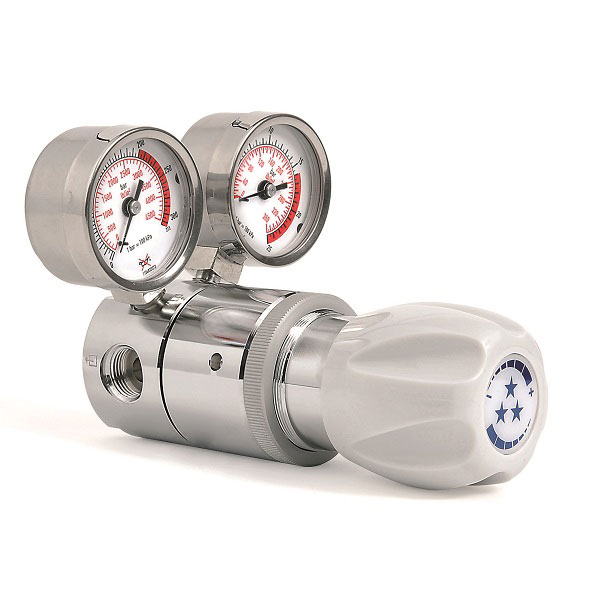
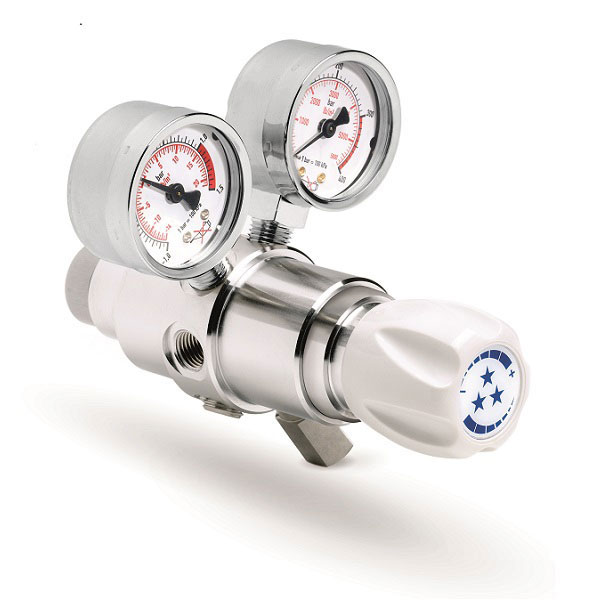
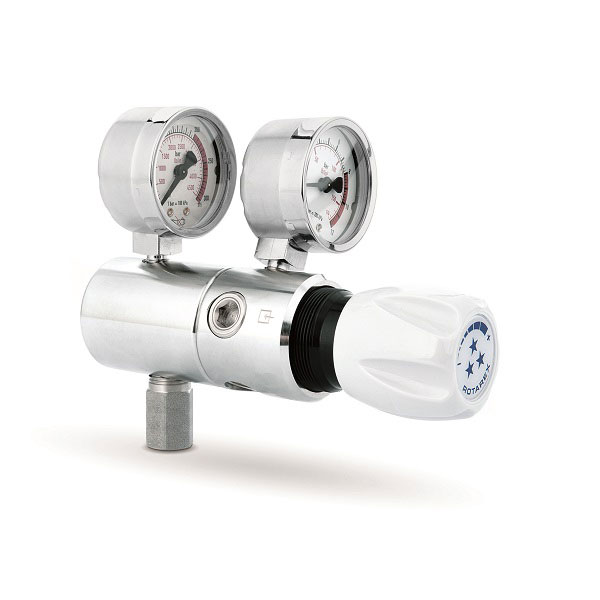
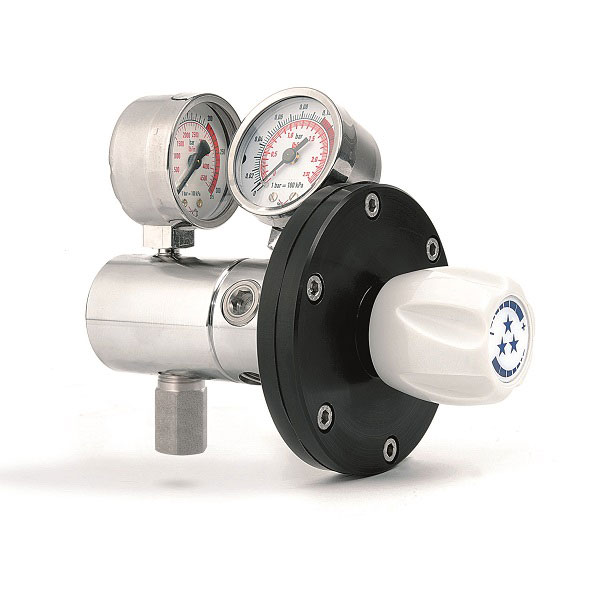
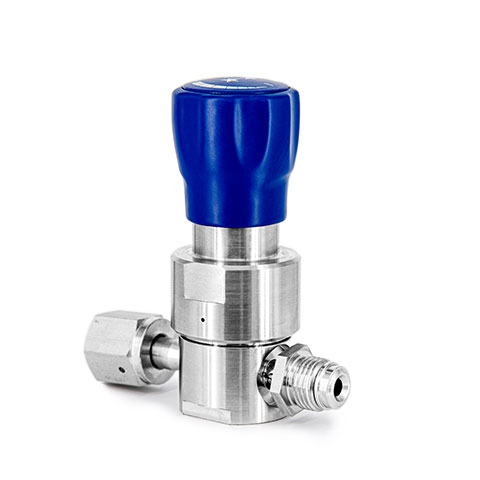
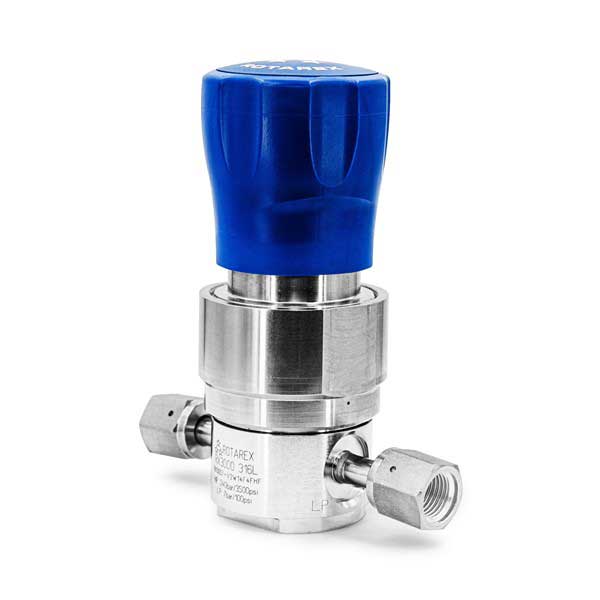
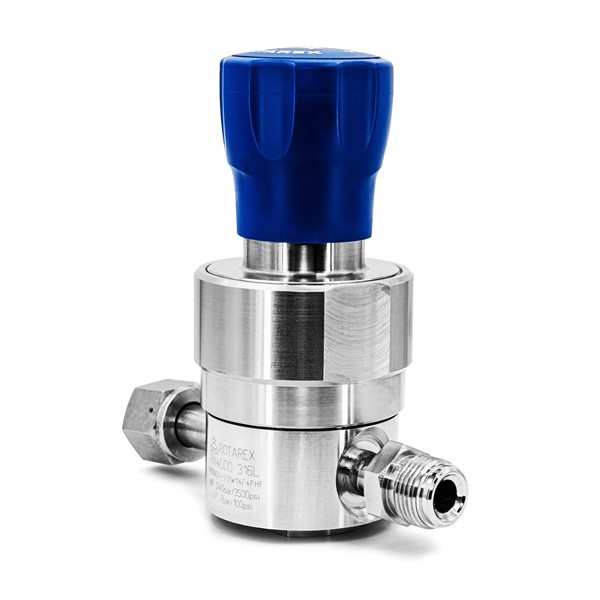
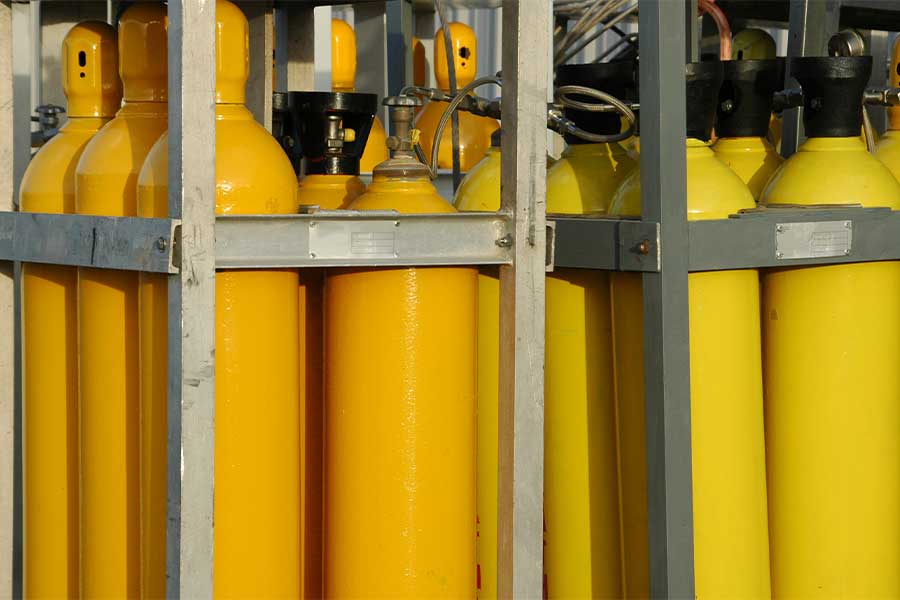
Rotarex high pressure gas regulators are designed to reduce and control high inlet pressure while delivering a stable and reliable outlet pressure for a wide range of medical, industrial, ultra-high purity and specialty gas applications. Each gas pressure regulator is engineered to support safe and efficient gas supply, whether the source is a gas cylinder, bundle or high-pressure distribution line.

Available in different configurations, pressure ranges and flow capacities, the Rotarex pressure regulator range includes solutions for standard pressure reduction, high-flow applications and demanding gas systems. Our regulator series are developed to meet different operating requirements, gas types and downstream conditions, helping users select the right product for each application.

Depending on the technology used in the regulator, the pressure is controlled by a diaphragm, piston, or bellows mechanism. These components regulate the gas flow and maintain the required outlet pressure as the inlet pressure and operating conditions vary.

Pressure Regulators

Specialty Gas Pressure regulators

  • High pressure regulator
    Single stage
    Diaphragm tech. + Cartridge
  • High pressure regulator
    Single stage
    Diaphragm technology
  • High pressure regulator
    Single stage
    Piston technology
  • High pressure regulator
    Single stage
    Diaphragm technology + BV
  • Very high flow pressure regulator
    Single stage
    Diaphragm technology
  • High pressure regulator
    Dual stage
    Diaphragm tech. + Cartridge
  • High pressure regulator
    Dual stage
    Piston/Bellow technology
  • High pressure regulator
    Dual stage
    Piston/Diaphragm technology

Ultra high purity gas pressure regulators

  • HP & UHP regulator
    Cv 0.09, 0.15
    Free diaphragm
  • Single stage diaphragm
    Cv 0.09, 0.15
    Inlet 21/240 bar
  • Single stage tied-diaphragm
    Cv 0.09, 0.15
    Inlet 21/240 bar
  • Single stage diaphragm
    Cv 0.15, 0.25, 0.5, 0.9, 1.1
    Inlet 21/117/207/240 bar
  • Single stage tied-diaphragm
    Cv 0.15, 0.25, 0.5, 0.9, 1.1
    Inlet 21/117/207/240 bar

What is a high pressure regulator?

A high pressure regulator is a pressure-control device designed to reduce gas from a high-pressure source, such as a gas cylinder, bundle or high-pressure supply line, to a lower and controlled outlet pressure that can be safely used by downstream equipment.

Gas stored in cylinders or bundles is often supplied at pressures that are much higher than the operating pressure required by the application. The regulator acts as the interface between the high-pressure source and the downstream system, reducing the inlet pressure while maintaining the outlet pressure within the required range.

A high pressure regulator typically works by balancing the force created by the inlet gas pressure against a regulating mechanism such as a diaphragm, piston or bellows. This mechanism controls the opening of an internal valve and adjusts the gas flow so that the selected outlet pressure is maintained as operating conditions change.

The selection of a high pressure regulator therefore depends on several key parameters, including maximum inlet pressure, required outlet pressure, flow rate, gas type, pressure stability and regulator technology. Choosing the correct regulator helps ensure safe, stable and reliable gas delivery to the downstream process.
What is a high pressure regulator?
How to select a pressure regulator?

How to select a pressure regulator?

One of the first criteria to consider is gas compatibility. The regulator body, seals, internal components and connections must be compatible with the gas being used. Depending on the application, this may influence the choice between materials such as brass, stainless steel or aluminum, as well as the type of pressure-control technology.

The gas supply itself should also be considered. A regulator connected to a gas cylinder, bundle, manifold or central supply system may require different inlet connections, pressure ranges and flow capacities. The required downstream equipment, fittings and pressure gauge configuration can also influence regulator selection.

Other key selection factors include the maximum inlet pressure, the required outlet pressure, the flow rate, the desired level of pressure stability, and whether a single-stage or two-stage regulator is more appropriate. The application environment, gas purity requirements and connection type should also be taken into account.

For a more detailed explanation of the main selection criteria, learn more about how to choose a pressure regulator in our dedicated blog.

What are the types of pressure regulators?

Pressure regulators are available in different configurations, materials and technologies depending on the type of gas supply, required inlet pressure, outlet pressure, flow rate and level of pressure control required by the application.

Single-stage vs Two-stage pressure regulators

A single-stage pressure regulator reduces the inlet pressure to the required outlet pressure in one regulation step. This type of regulator is commonly used in industrial and gas distribution applications where reliable pressure reduction is required without the need for extremely stable outlet pressure as the inlet pressure changes.

A two-stage pressure regulator reduces the pressure through two successive regulation stages. This design helps provide a more stable outlet pressure, particularly when the pressure of the gas source decreases during use.

Two-stage regulators are therefore suitable for applications where consistent and precise pressure control is important. Choosing between single-stage and two-stage regulator options depends on the required pressure stability, gas supply conditions and the performance expected from the system.

Brass and stainless steel pressure regulators

Pressure regulators are available in different materials, including brass, stainless steel and, for certain designs and applications, aluminum.

Brass pressure regulators are widely used for many standard industrial gas applications.

Stainless steel pressure regulators are commonly selected for specialty gases, corrosive gases and high-purity gas applications where material compatibility, cleanliness and corrosion resistance are particularly important.

Aluminum pressure regulators can provide a lightweight alternative for specific applications where reduced component weight, corrosion resistance and suitable gas compatibility are required.

The choice of regulator material should always take into account the type of gas, operating pressure, environmental conditions, gas purity requirements and safety considerations.

Pressure regulator technologies

Different regulator technologies can be used to control pressure depending on the pressure range, required precision, gas flow and application.

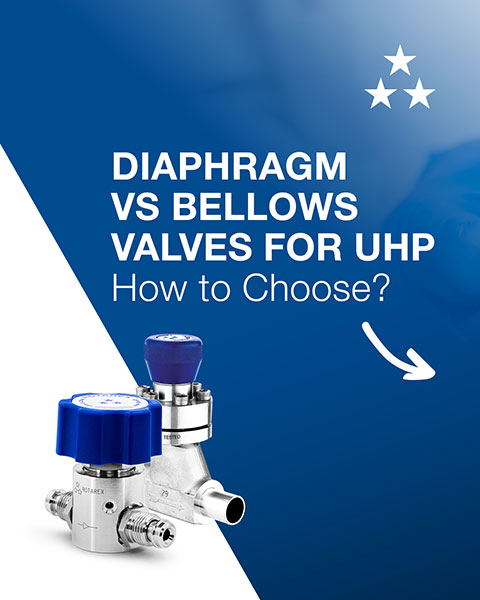
Diaphragm pressure regulators use a flexible diaphragm to control the outlet pressure. They are widely used because of their compact design and ability to provide precise pressure regulation.

Piston pressure regulators use a piston mechanism to control pressure. They are particularly suitable for applications involving high pressures or where the required outlet pressure is relatively close to the inlet pressure.

Bellows pressure regulators use a flexible bellows element to provide highly sensitive and accurate pressure control. This technology is particularly suited to high-pressure cryogenic gas applications, where reliable pressure reduction is required for gases supplied from cryogenic or liquefied gas systems.

Balanced-valve pressure regulators are designed to reduce the influence of inlet pressure variations on the outlet pressure. This technology can improve pressure stability and help reduce mechanical stress on the regulator seat, supporting reliable operation and system safety.

Some pressure regulator solutions can also combine different technologies. For example, a two-stage regulator may use a piston in the first stage and bellows or diaphragm technology in the second stage to achieve the required pressure reduction and stability. The right regulator therefore depends on several factors, including the number of regulation stages, technology, construction material, type of gases, required flow rate, pressure range and available configuration options.

High Pressure Regulators for Different Gases and Applications

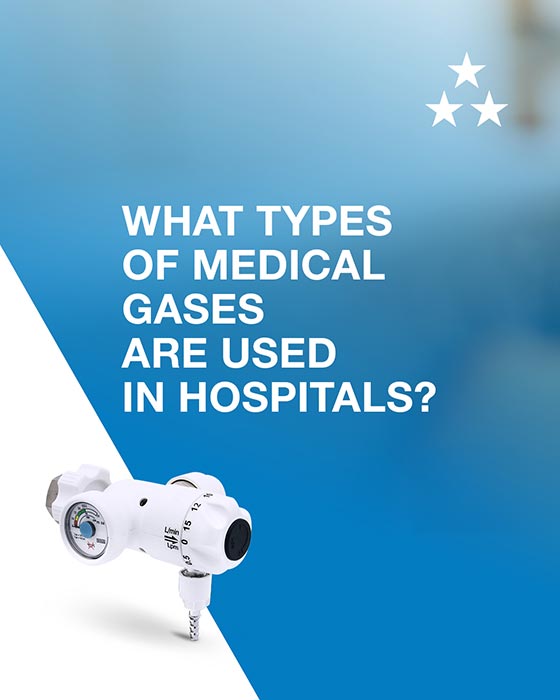
Rotarex high-pressure regulators offer pressure-reduction solutions for a wide range of industrial, medical, specialty, and ultra-high-pressure (UHP) gases. Depending on the gas and the end application, different regulator configurations can be selected, whether for nitrogen, oxygen, acetylene, specialty gases, or any other type of gas.

Nitrogen regulators can be used for inerting, purging, laboratory work, and industrial process applications, while oxygen regulators are typically used in applications such as welding, cutting, laboratory systems, and medical gas distribution, provided the regulator is specifically designed for that purpose. Acetylene regulators are generally used in welding and cutting systems, where a controlled outlet pressure and a reliable gas flow rate are essential. Specialty gas regulators can be used in laboratory, analytical, high-purity, and process applications, where gas compatibility, material selection, and pressure stability are of particular importance.

These regulators can be integrated into cylinders, manifolds, headers, and gas distribution systems to supply downstream equipment with the required pressure and flow rate. The appropriate high-pressure regulator must therefore be selected not only based on the gas itself, but also on the end application, the required pressure range, the required flow rate, the type of connection, and safety requirements.
High Pressure Regulators for Different Gases and Applications

Why Choose Rotarex High Pressure Regulators?

Rotarex develops gas pressure regulator solutions for a broad range of industrial, specialty gas and UHP applications.

Our high pressure regulator portfolio includes different series, technologies, materials and product options, allowing users to select the most suitable solution according to key operating requirements such as:

  • Maximum inlet pressure
  • Required outlet pressure
  • Gas flow
  • Gas compatibility
  • Single-stage or dual-stage regulation
  • High-flow requirements
  • Application environment

By combining regulator technologies with a broad gas-control product portfolio, Rotarex can support pressure regulation from the gas source through to downstream applications.

Rotarex offers a range of high pressure regulators designed to meet different pressure, flow and application requirements, helping users select the right product for their gas supply system.

Frequently Asked Questions About High Pressure Regulators
What is a high pressure regulator?

A high pressure regulator reduces the pressure of gas supplied from a high-pressure source, such as a gas cylinder or bundle, to a lower and controlled outlet pressure suitable for downstream equipment. It helps ensure that gas is delivered at the pressure required by the application while protecting downstream components from excessive pressure.

How does a pressure regulator work?

A pressure regulator controls gas pressure by balancing the force of the inlet gas against a regulating mechanism such as a diaphragm, piston or bellows.

When the downstream pressure falls below the set value, the regulator opens the internal valve to allow more gas to flow. As the outlet pressure reaches the desired level, the valve progressively closes to maintain a stable pressure.

What is the difference between single-stage and dual-stage regulators?

Choosing between a single-stage and dual-stage high pressure regulator depends primarily on the level of pressure stability required.

A single-stage regulator reduces the inlet pressure to the required outlet pressure in one step. It is a practical solution for many industrial applications where normal variations in outlet pressure can be accepted.

A dual-stage regulator performs the pressure reduction through two stages. This can help provide a more stable outlet pressure as the cylinder pressure decreases.

What is the difference between a high pressure regulator and a high flow regulator?

A high pressure regulator is designed to operate with a high inlet pressure and reduce it to the required downstream pressure.

A high flow regulator is designed to deliver a large volume of gas while maintaining the required outlet pressure.

Some applications require both high-pressure capability and high flow capacity, so the regulator must be selected according to both parameters.

What applications use high pressure regulators?

High pressure regulators are used in applications where gas is supplied from a high-pressure source and must be reduced to a controlled working pressure.

Typical applications include:

  • Industrial gas supply systems
  • Gas cylinder and bundle installations
  • Manufacturing and process gas systems
  • Laboratory and analytical applications
  • Specialty gas installations
  • Welding and metalworking applications
  • High-flow gas distribution systems
  • High-purity and ultra-high-purity gas applications

The appropriate regulator depends on the gas type, inlet and outlet pressure, required flow rate, purity level and operating environment.

Connect with an Expert
×
Loading