Nitrogen gas Regulators: Precision Gas Control for Industrial, Laboratory, and Beverage Applications

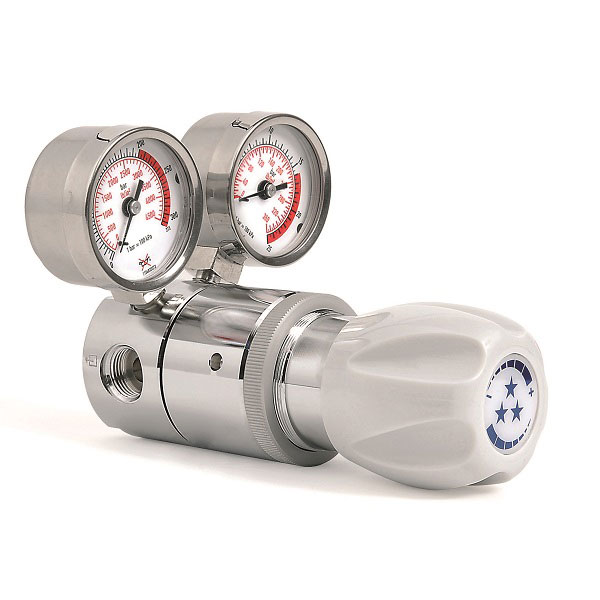
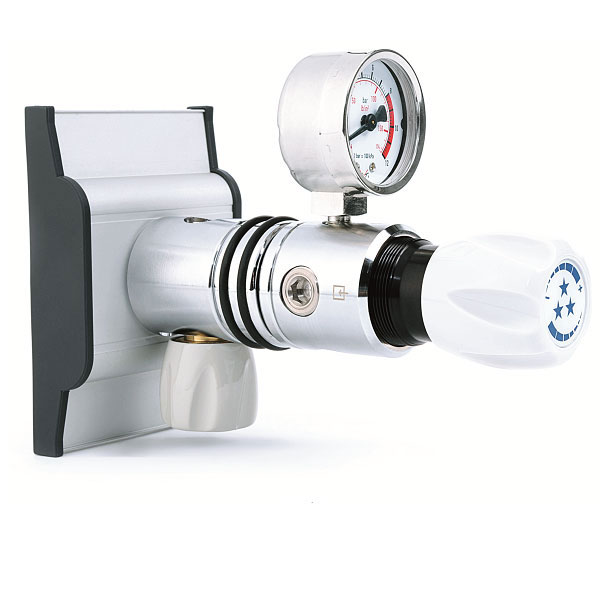
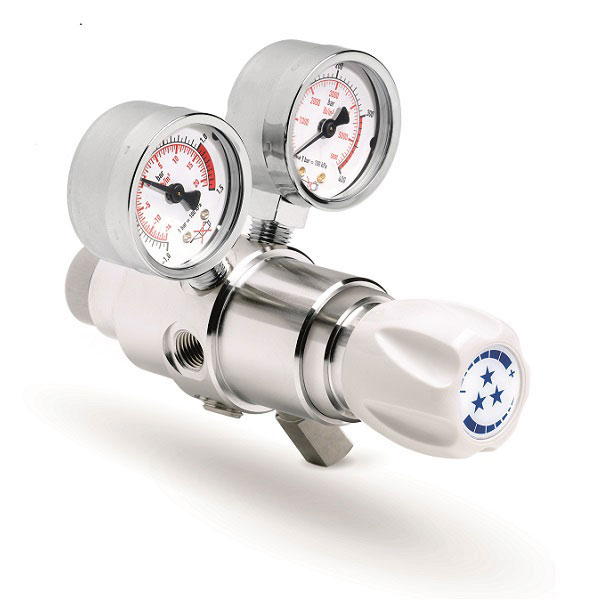
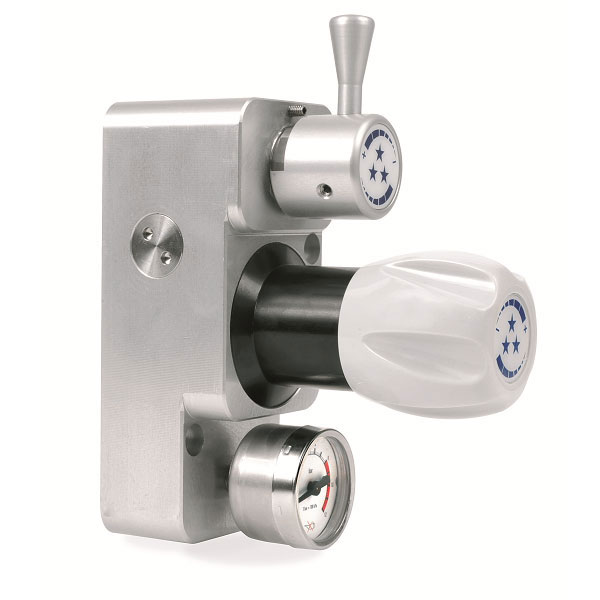
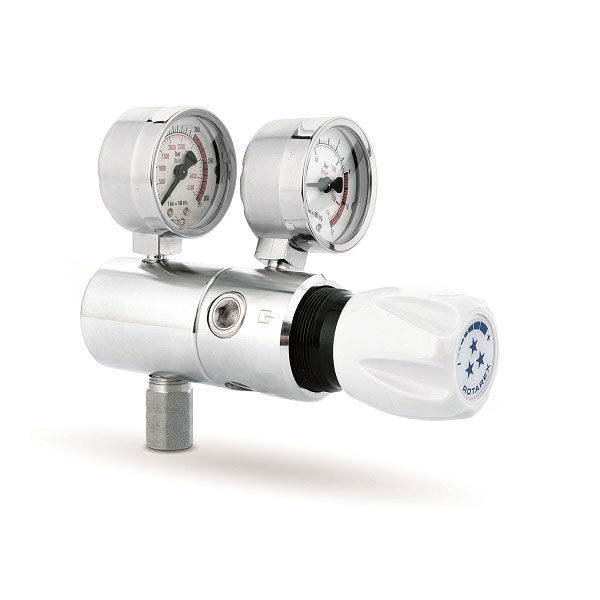
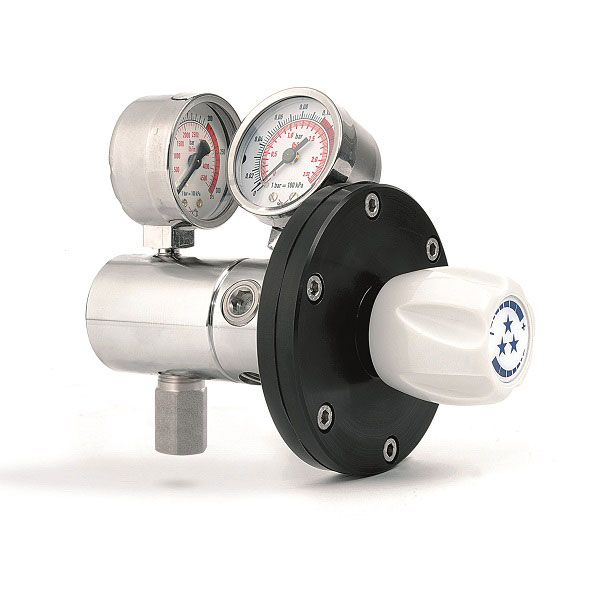
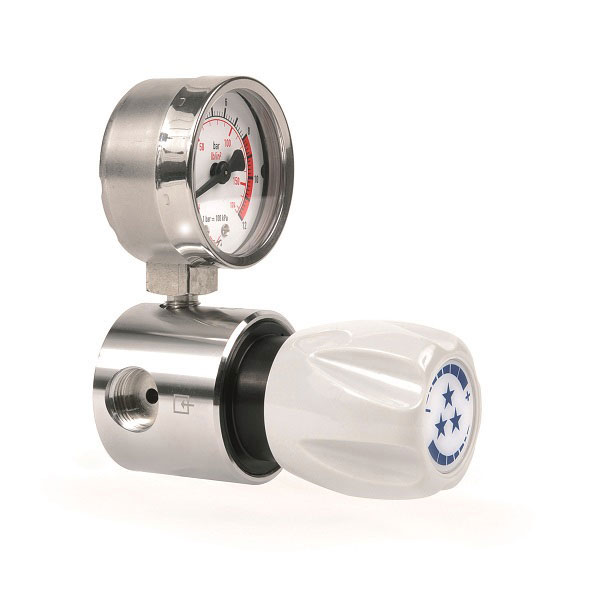
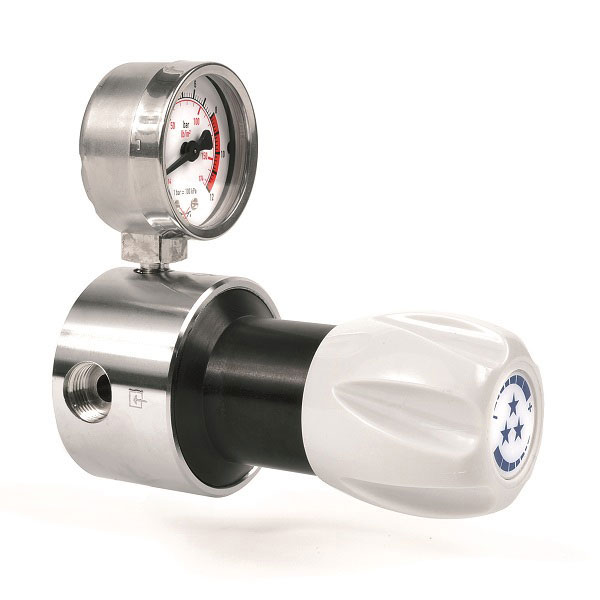
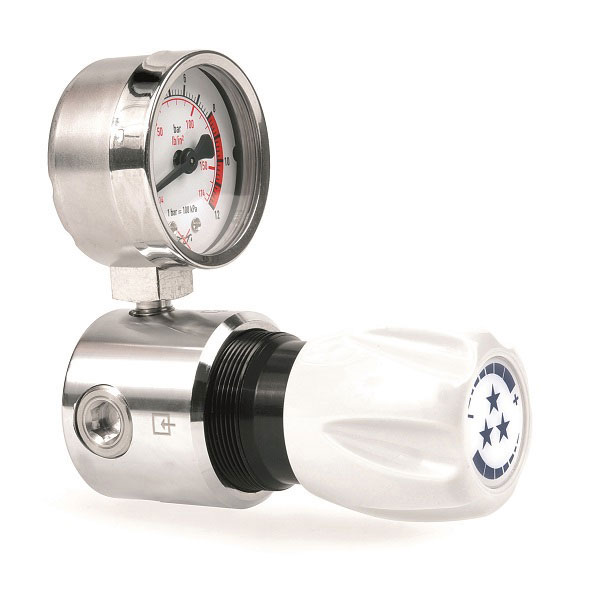
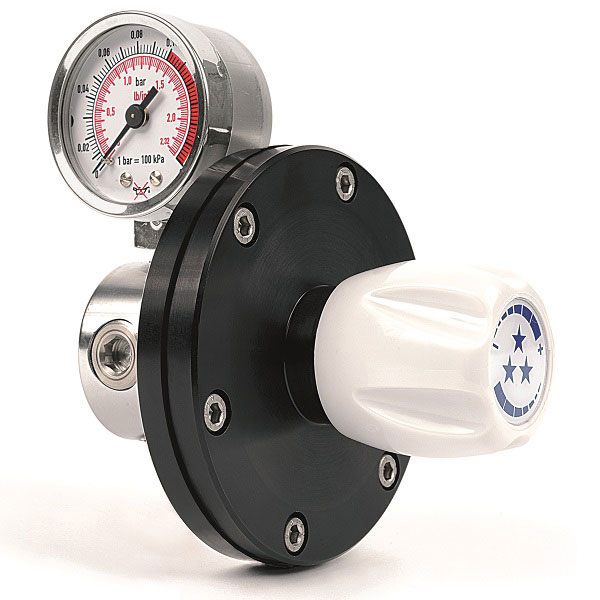
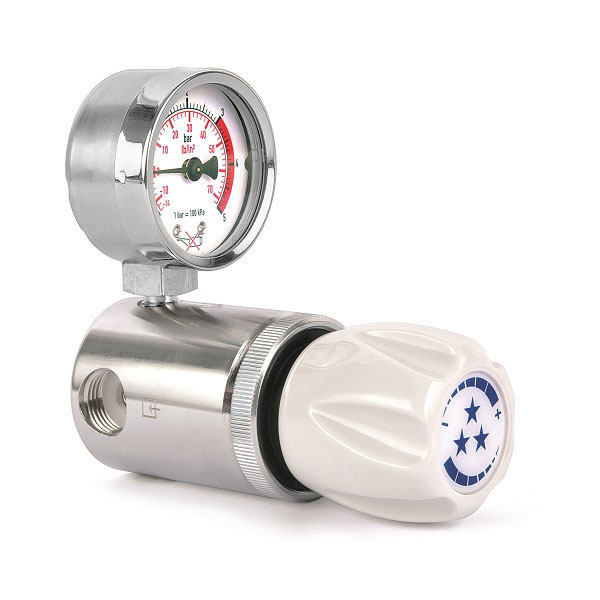
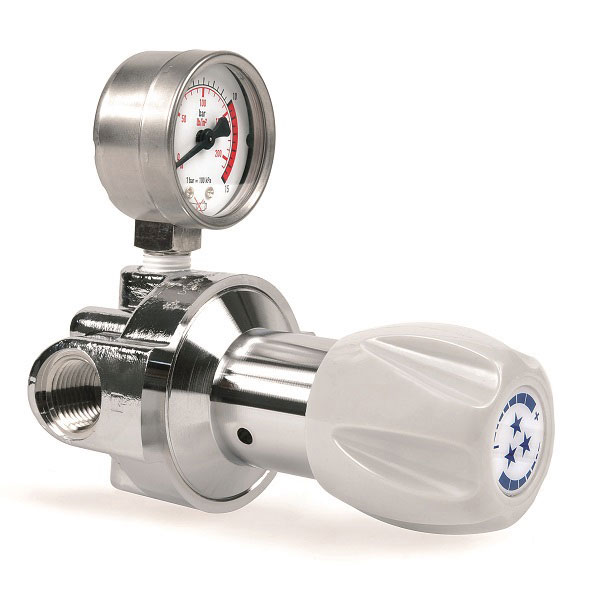
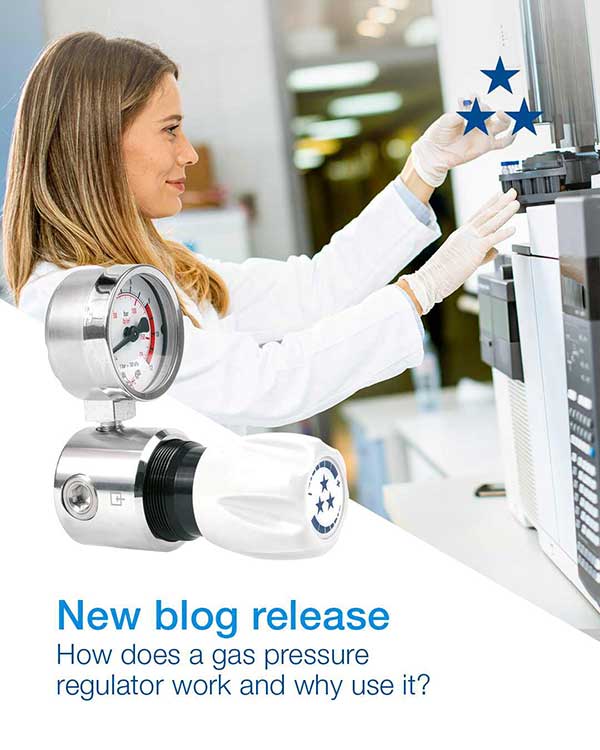
A nitrogen pressure regulator is an essential pressure reducing product within any gas equipment setup. Its role is to connect a high-pressure nitrogen cylinder to your application and ensure safe and precise pressure control. The inert gas contained in the cylinder passes through the regulator and is reduced to the desired outlet pressure for its end use.

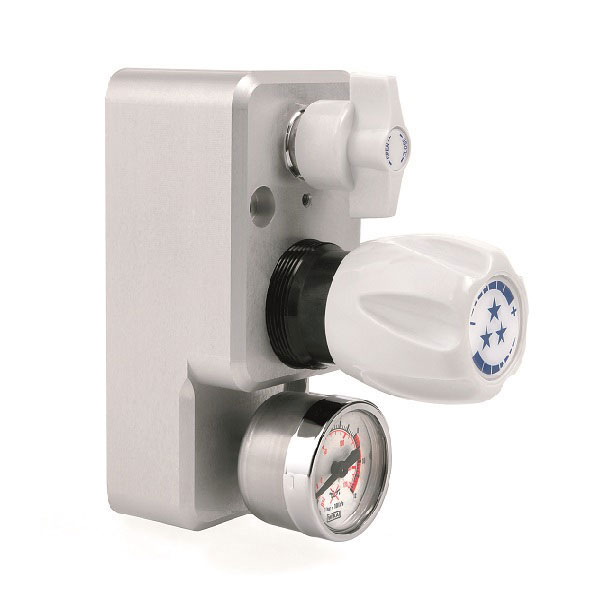
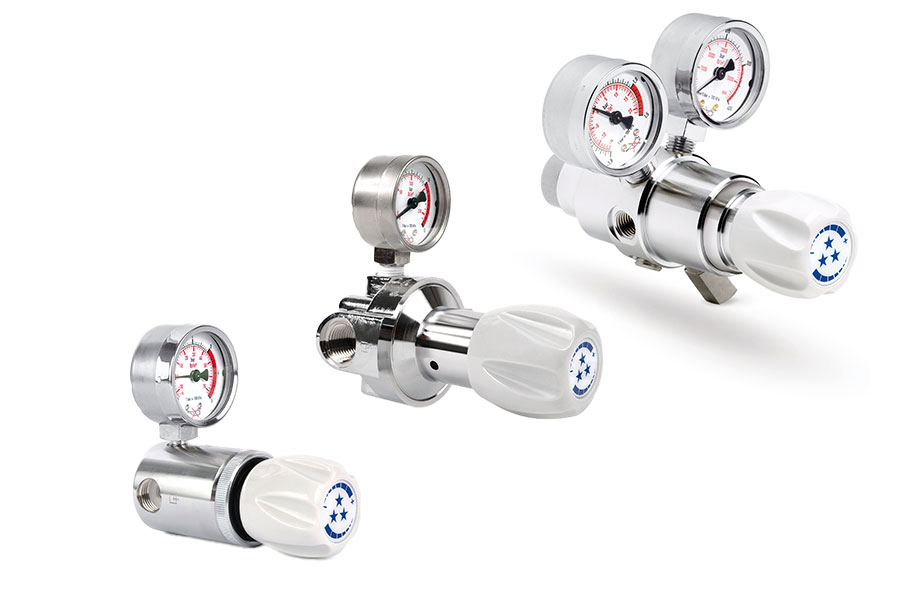
Our range offers different regulator types, from single-stage models for general use to dual-stage designs for applications requiring maximum stability. Each regulator is engineered with the right style and materials for its intended environment, whether industrial, laboratory, or beverage. Using a high-quality regulator specifically designed for nitrogen allows for precise control of gas flow, compliance with standards and regulations, and, most importantly, extends the life of your equipment.

Browse our full range of nitrogen regulators or contact us if you have any questions or need more information.

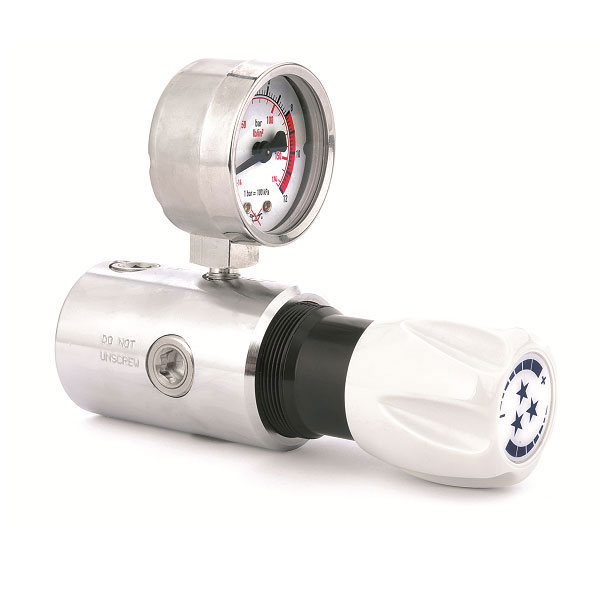
Nitrogen Pressure Regulators

  • High pressure regulator
    Single stage
    Diaphragm tech. + Cartridge
  • Point of use
    Bellow technology
  • High pressure regulator
    Single stage
    Piston technology
  • Point of use
    Modular
    Bellow technology
  • High pressure regulator
    Single stage
    Diaphragm technology + BV
  • High pressure regulator
    Dual stage
    Diaphragm tech. + Cartridge
  • Point of use
    Integrated
    Diaphragm technology
  • High pressure regulator
    Dual stage
    Piston/Bellow technology
  • Point of use
    Integrated
    Bellow technology
  • High pressure regulator
    Dual stage
    Piston/Diaphragm technology
  • Low pressure regulator
    Single stage
    Diaphragm technology + BV
  • High flow low pressure regulator
    Single stage
    Diaphragm technology + BV
  • High pressure regulator
    Single stage
    Diaphragm tech. + Cartridge
  • Low pressure regulator
    Single stage
    Bellow technology
  • Low pressure regulator
    Single stage
    Diaphragm technology
  • Low pressure regulator
    Single stage
    Diaphragm technology
  • Low pressure regulator
    Single stage
    Diaphragm technology + BV

Understanding Nitrogen Regulators: Beyond Basic Pressure Control

A nitrogen pressure regulator is used to reduce the high pressure contained in cylinders or racks to a desired low outlet pressure. It controls and stabilizes the pressure to guarantee a constant and stable gas flow. This is important for maximizing efficiency and precision and ensuring the safety of operators and their environment. Discover the main features of nitrogen pressure regulators:

  • Stability: In addition to reducing the gas outlet pressure, it maintains this pressure over time. When the nitrogen tank empties, the inlet pressure decreases, and the regulator compensates for this loss of pressure to always maintain a constant outlet pressure.
  • Safety: Regulators prevent dangerous pressure drops, which protects work equipment and ensures a safe working environment for workers.
  • Performance: High-quality gas regulators ensure precise adjustable outlet pressure, which guarantees a constant gas flow for all demanding applications.
  • Reliability: Nitrogen pressure regulators are designed to withstand prolonged and intensive use, with delivery of consistent reliability throughout their service life, ensuring uninterrupted operations.
Understanding Nitrogen Regulators
Nitrogen in Action: Where Are Regulators Used?

Nitrogen in Action: Where Are Regulators Used?

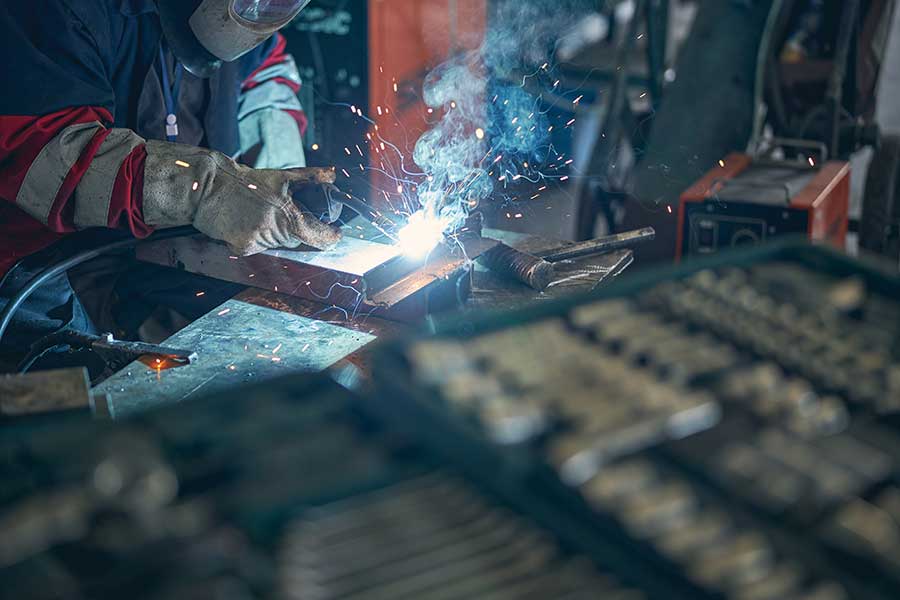
Nitrogen pressure regulators are used in many industrial and other fields. They are built to operate reliably in demanding environments, ensuring safe handling of compressed gas. For example, they are found in the food and beverage industry to ensure stable pressure suitable for beer dispensing systems or industrial uses. They are also used in research laboratories, for example to create inert atmospheres. In this case, precision is required, which is why two-stage pressure regulators are often used. Nitrogen can also be used for welding and cutting, as well as in HVAC systems. In every case, the use of reliable a nitrogren regulator ensure process stability and efficiency. 

Safety First: Best Practices for Using Nitrogen Regulators

It is essential to follow safety measures when working with compressed nitrogen. Handling the regulator in correct maner is part of this, and following a few safety rules helps to prevent risks:

Installation and adjustment of the regulator correctly: the nitrogen regulator must always be correctly connected to the cylinder through cylinder connectors as CGA, DIN, BS and many others. Check that the inlet connection and outlet connection are tight and close the cylinder valve slowly after each use. Set the outlet delivery pressure to the desired setting depending on your application, the model you are using and the required nitrogen flow.

Maintenance and inspection: Proper installation is only the first step. Regular inspection and maintenance are equally important. Verify that the seals and other parts of the regulator are not damaged, and plan timely replacement when necessary.

In addition to these best practices, you must be vigilant to avoid certain mistakes, such as using a regulator with different gas types or adding grease, which could cause damage or even accidents. Each regulator offers specific safety features adapted to its gas type, so always follow the appropriate guidelines. Always read the notice before first use and refer to it in case of questions or issues.

By following these best practices, you ensure that nitrogen regulators deliver the safety, performance, and durability expected in both industrial and laboratory environments.

Safety First: Best Practices for Using Nitrogen Regulators

Key Criteria When Selecting a Nitrogen Regulator

  • First, it is important to ensure that the pressure reducer is compatible for use with nitrogen. This is important to ensure that the connections are secure and to prevent any risk of gas leak.
  • Make sure that the inlet pressure (max 200 bar or 300 bar / 3330 psi or 4350 psig) is compatible with the pressure reducer and check the desired outlet pressure. Also review the specifications carefully, including the flow rate required for your end use, and verify the accuracy of the pressure gauge to ensure an accurate and reliable choice.
  • When evaluating types of nitrogen regulators, consider whether a single-stage or dual-stage model is best suited to your application. Our nitrogen pressure regulators are available in single-stage and dual-stage versions, which can also include models with different flow capacities and materials to match specific applications. Single-stage regulators are suitable for general industrial uses where some fluctuation is acceptable, while double-stage regulators provide greater stability and precision, making them recommended for laboratories, research, and high-tech industries.
  • Finally, check the material of the regulator. Our regulators are available in brass, chrome-plated brass, or stainless steel, depending on the series.

If you need help choosing the ideal regulator for your application, please don't hesitate to contact us directly. Our team will be happy to provide additional content and guidance to help you find the best solution.

Connect with an Expert
×
Loading